Advertisement
)
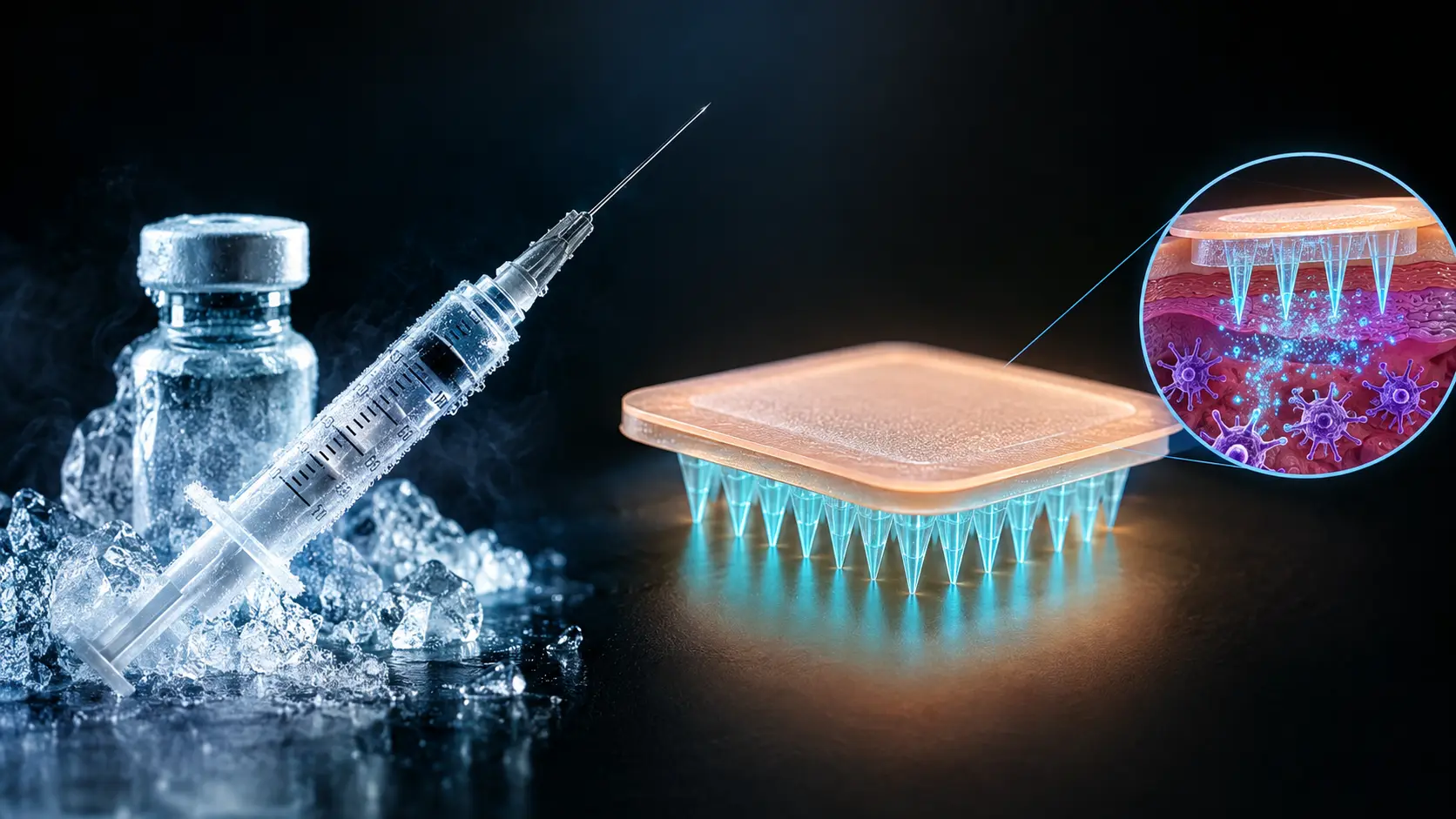

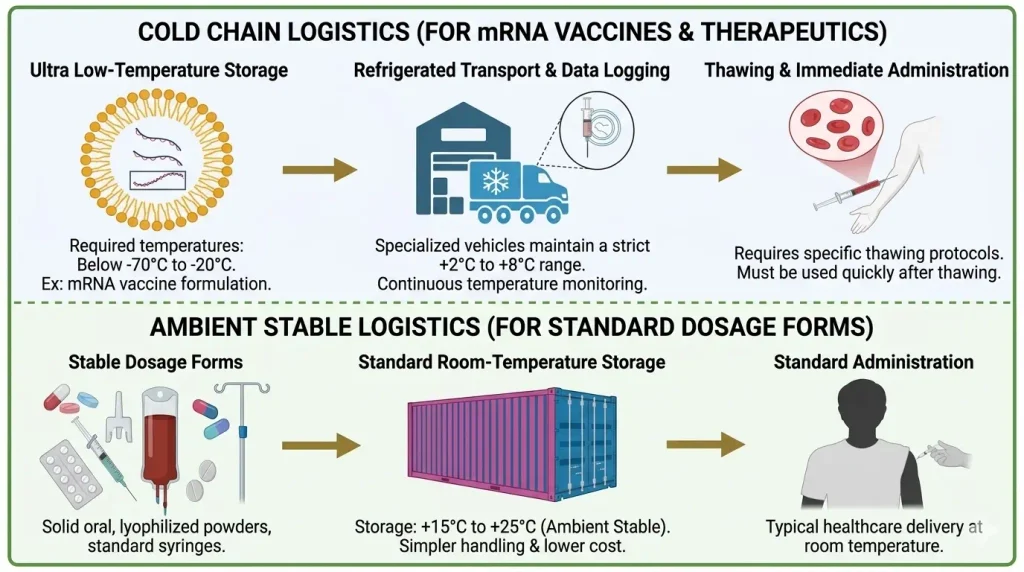
In the race to distribute advanced medicines to the developing world, the greatest adversary isn’t a virus; it is the thermometer. Modern mRNA vaccines and biologics are biological miracles, but they are incredibly fragile. To survive transport, they must be deep-frozen at -70°C, requiring a multi-billion-dollar global logistics network of specialized freezers, dry ice, and rapid transit. If a truck breaks down in rural Sub-Saharan Africa, the vaccines degrade within hours and are destroyed. Furthermore, administering them requires millions of steel syringes, trained nurses, and the generation of massive biohazardous waste.
Why should you care right now? Because biotechnology engineers have bypassed the freezer entirely by turning the vaccine into a piece of tape. Enter dissolvable transdermal microneedle patches. By freeze-drying biological payloads into microscopic spikes made of sugar and acid, scientists have created a pain-free, self-administering bandage that sits comfortably on a shelf at room temperature for months. This technology fundamentally eradicates the cold chain, democratizing access to lifesaving biologics and rewriting the economics of global healthcare distribution.
What are Transdermal Microneedle Patches?
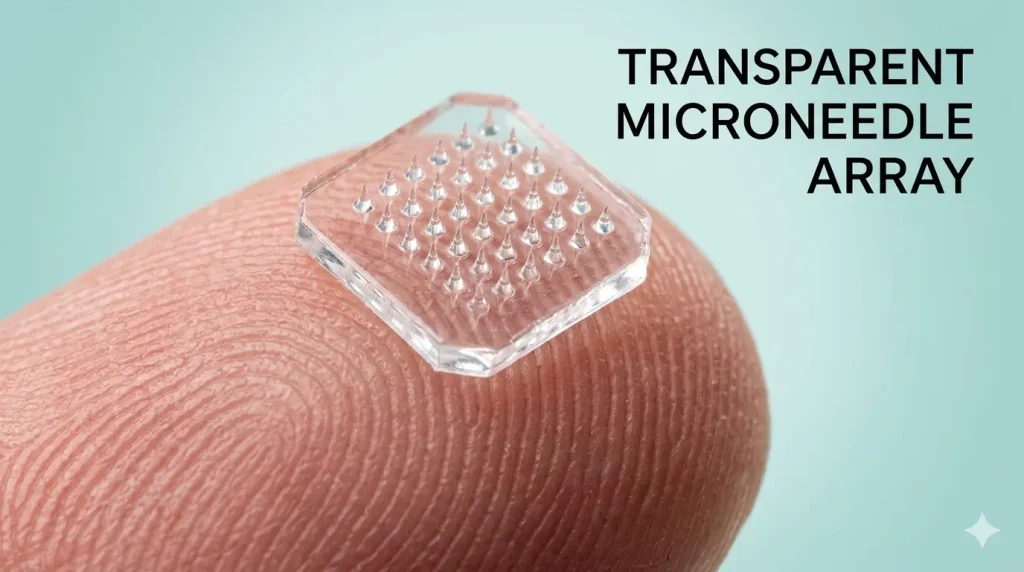
Transdermal microneedle patches are painless, self-administered medical devices covered in microscopic, dissolvable spikes. Made from biocompatible polymers like hyaluronic acid, these needles pierce the outer layer of skin to deliver vaccines or biologics directly to immune cells. Because the active ingredients are freeze-dried, the patches bypass refrigeration, remaining stable at room temperature.
At a Glance
- Concept: A small bandage covered in hundreds of microscopic needles that melt into the skin, releasing medication without causing pain.
- Why it matters: It costs billions of dollars to keep liquid vaccines frozen during global transit. Microneedle patches survive at room temperature, completely eliminating “cold chain” logistics.
- Who uses it: Global health organizations (WHO, BARDA), vaccine manufacturers, and cosmetic dermatology clinics.
- Biggest takeaway: Because the upper layers of your skin are packed with highly alert immune cells, a microneedle patch can achieve the exact same immunity as a traditional syringe while using only a fraction of the actual vaccine payload.
In Simple Words
A traditional vaccine is like shipping delicate fresh fish. It must be packed in ice, rushed onto an airplane, kept in a freezer at the warehouse, and refrigerated at the clinic. If the power goes out at any point, the product is ruined. Plus, you need a trained chef (a nurse with a steel needle) to serve it.
A Transdermal Microneedle Patch is like freeze-dried coffee. By removing the water and locking the ingredients into a dry, solid state, it becomes practically indestructible. You can put it in a cardboard box, ship it through standard mail in the middle of summer, and it will be perfectly fine when it arrives.
Instead of a terrifying steel needle, the patch has hundreds of tiny spikes made of medical-grade sugar and acid. When you press the patch onto your arm like a sticker, the spikes pierce the dead, tough outer layer of your skin. Because they are so small, they don’t hit your nerves—you feel nothing. Within minutes, the moisture in your body melts the spikes, releasing the freeze-dried medicine directly into your system.
Why This Matters
For Global Health Execs, Pharma Supply Chain Leaders, and Biotech VCs, microneedle patches solve the Last-Mile Sterility Bottleneck.
During global pandemics or routine immunization campaigns in low-resource environments, the most expensive and dangerous step is the “last mile.” Delivering glass vials is only half the battle. You must source sterile syringes, safely dispose of biologically contaminated sharps, and deploy thousands of trained clinicians to physically administer the shots.
Microneedle patches transition vaccines from a clinical procedure to a consumer good. A patch can be self-administered by the patient with zero medical training. There is no sharp steel needle to dispose of; the polymer spikes dissolve entirely into the skin. This removes the clinical labor bottleneck and the biohazard waste footprint, allowing governments to stockpile vaccines as easily as they stockpile band-aids.
Micro-Insight: The value of a microneedle patch isn’t just the elimination of pain; it is the eradication of the clinical overhead required to break the human skin barrier.
The Shift to Thermostable Solid-State Biologics
We are witnessing the Solid-State Transition of Biologics.
In the computing world, replacing spinning hard drives with solid-state drives (SSDs) unlocked massive speed and durability. Pharmacology is undergoing the exact same transition. By moving away from fragile, liquid-state vials toward solid-state, polymer-embedded matrices, the biotech industry is stripping the fragility out of medicine. This represents a paradigm shift where the stability of a drug is engineered directly into its physical delivery vehicle, rather than relying on external refrigerators.
How Do Transdermal Microneedle Patches Work?
Bypassing the extreme refrigeration limits of mRNA and biologics requires mastering fluid dynamics, polymer chemistry, and immunology. Here is the first-principles breakdown of the architecture.
1. The Fundamental Problem: Liquid Instability
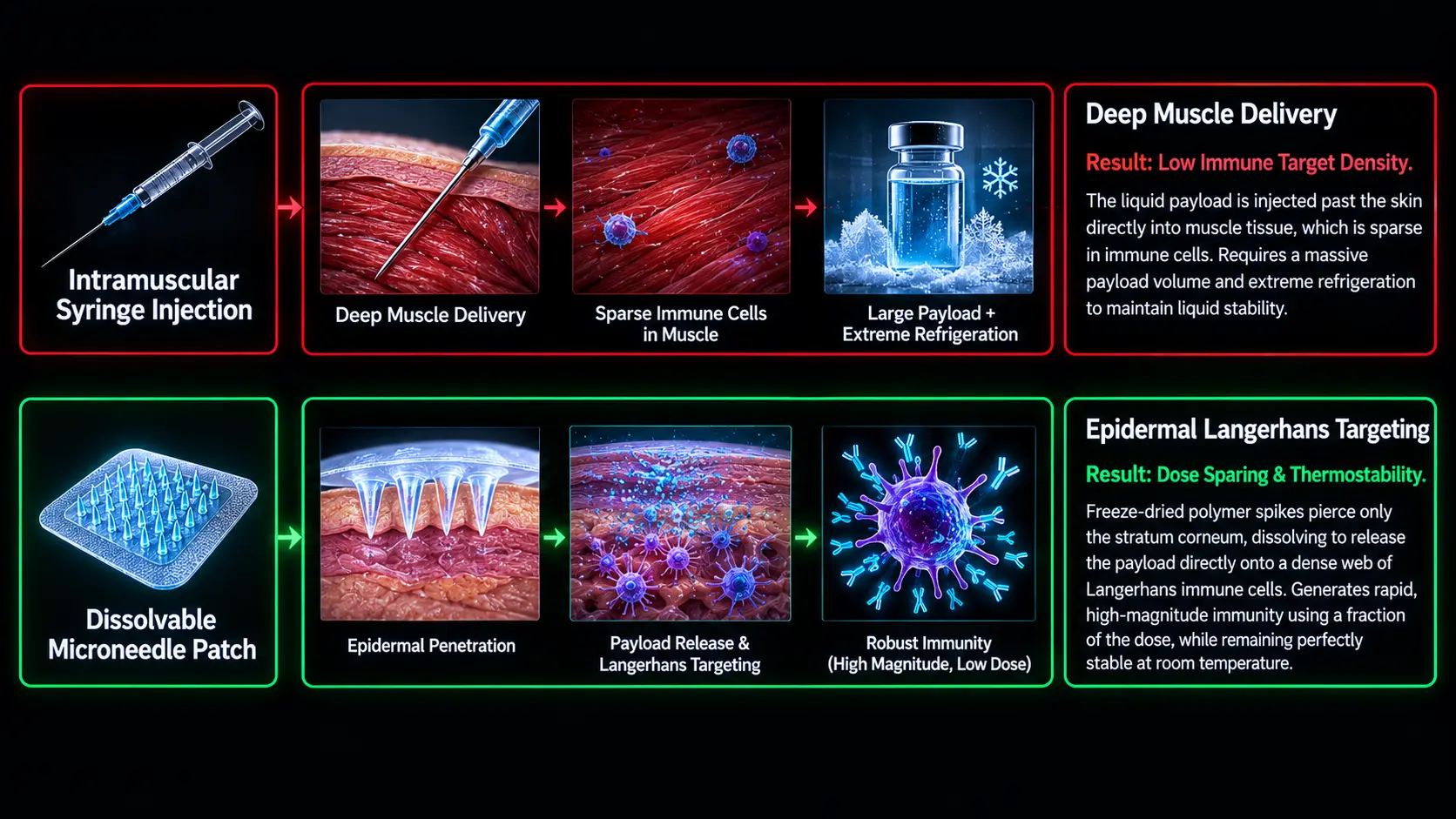
Biologics (like mRNA vaccines or monoclonal antibodies) are highly unstable in liquid form. The water molecules in the liquid actively bump into the delicate RNA strands, eventually tearing them apart (hydrolysis). To stop this, the liquid must be frozen at extreme temperatures to lock the molecules in place.
2. The Core Mechanism: Lyophilization into Polymers
Microneedle patches solve this by removing the water entirely. The liquid biologic is mixed with a water-soluble polymer (like hyaluronic acid—a substance already naturally present in human skin). The mixture is poured into a microscopic mold and freeze-dried (lyophilized). The result is a solid, dry spike. Because there is no liquid water, the biologic cannot break down. It remains perfectly preserved in a state of suspended animation at room temperature.
3. Technical Depth: Stratum Corneum Penetration
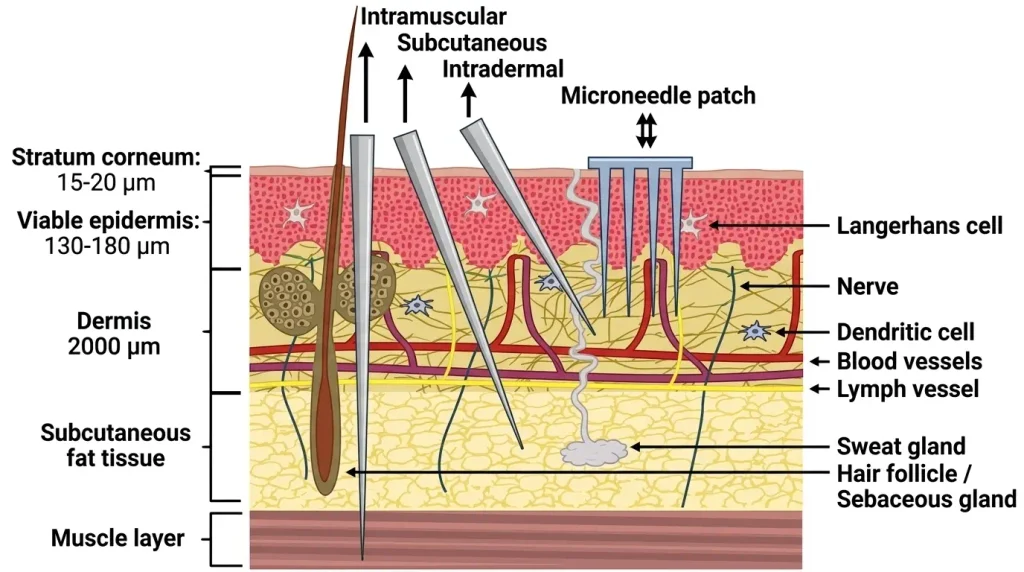
The human skin evolved to keep things out. The topmost layer, the stratum corneum, is a tough barrier of dead cells. Traditional skin patches (like nicotine patches) rely on passive diffusion, which only works for very tiny chemical molecules. Massive biologic molecules (like mRNA) cannot pass through the stratum corneum. The microneedle spikes physically puncture this dead layer, creating microscopic tunnels that deliver the massive biologic payload straight into the living tissue beneath.
4. Technical Depth: Targeting Langerhans Cells
A standard steel syringe bypasses the skin entirely, injecting the vaccine deep into the muscle (intramuscular). Muscle tissue actually has very few immune cells. The vaccine has to wait for immune cells to wander by.
Conversely, the living layer of the skin (the epidermis) is densely packed with Langerhans cells—highly specialized, aggressive immune sentinels. Because the microneedles dissolve exactly in this shallow layer, they drop the vaccine directly onto these sentinels, triggering an immediate and massive immune response.
Microneedle Delivery Simulation
Thermostability and Epidermal Langerhans Cell Immune Activation
Storage Transport Temp
20°C (Ambient)
Delivery Architecture
Liquid Syringe (Intramuscular)
Microneedle Patch (Epidermal)
Payload Health (Stability)
0.0%
Immune Cell Activation
0.0%
Pain Receptor Stimulation
0.0%
Cross-Sectional Tissue Transport Mechanics
STORAGE / TRANSIT PHASE
Efficacy & Dose-Sparing Trajectory (Time)
5. Real-World Consequences: Dose Sparing
Because the microneedle patch targets the immune system so efficiently, you do not need as much vaccine. Clinical data shows that a microneedle patch can provoke the exact same level of immunity using only 1/5th to 1/10th of the dose required for a standard deep-muscle syringe. This “dose sparing” allows a manufacturer to stretch a single batch of vaccine to protect five times as many people.
Real-World Applications
Microneedle technology is expanding rapidly from niche cosmetic applications into heavy-duty pharmaceutical interventions.
Thermostable mRNA Vaccines: During the COVID-19 pandemic, organizations like BARDA funneled millions into “Patch Forward” prizes. Startups are successfully loading lipid nanoparticle (LNP) mRNA vaccines into dissolving patches. These patches maintain perfect structural integrity at ambient room temperature, allowing for postal delivery of pandemic boosters without requiring dry ice.
Painless Pediatric Immunizations: The psychological trauma and pain of steel syringes lead to significant vaccine hesitancy in pediatric populations. Microneedle patches (often designed to look like colorful stickers) bypass the pain receptors in the dermis entirely. The child feels a slight pressure, similar to pressing Velcro against the skin, radically improving patient compliance in public health campaigns.
Continuous GLP-1 and Insulin Delivery: The market for GLP-1 weight-loss drugs (like Ozempic) and insulin relies entirely on painful, daily or weekly subcutaneous injections. Biopharma companies are developing “smart” microneedle patches that continuously leach these large peptide molecules into the skin throughout the day. This creates a smooth, steady-state delivery curve, avoiding the severe peak-and-trough hormonal spikes caused by massive weekly syringe injections.
Economic & Strategic Impact
The core strategic consequence of Microneedle Patches is the Disruption of the $35 Billion Cold Chain.
The pharmaceutical logistics industry generates massive revenues by selling specialized deep-freeze transportation. Companies build heavy, refrigerated shipping containers, maintain fleets of specialized trucks, and operate massive warehouses just to keep liquid drugs cold.
Transdermal patches render this entire supply chain obsolete for applicable biologics. By turning a highly sensitive liquid into a thermostable solid, a pharmaceutical company can ship a million doses of a vaccine via standard FedEx or DHL dry-freight. This structural shift allows governments to bypass centralized, refrigerated hospitals and distribute biologics directly to local pharmacies, rural outposts, or directly to consumers’ mailboxes, fundamentally decentralizing healthcare delivery.
Advantages of Dissolvable Microneedles
- Absolute Thermostability: Freeze-dried polymer matrices survive at room temperature for months, destroying the need for ultra-cold freezers.
- Painless Administration: The micro-spikes are mathematically engineered to penetrate the dead outer skin without reaching the deep nerve endings.
- Dose Sparing: Delivering drugs directly to the immune-rich epidermis allows for equal efficacy using a fraction of the expensive biological payload.
- Zero Sharps Waste: The patch dissolves safely into the body. There is no contaminated steel needle to dispose of, eliminating secondary needle-stick injuries.
Limitations
- Payload Physics Ceiling: You can only fit so much medicine inside a microscopic spike. If a specific drug requires a massive volumetric dose (like intravenous antibiotics), it physically cannot be squeezed into a microneedle patch format.
- Manufacturing Bottlenecks: Casting liquid polymers into microscopic molds, loading the exact right amount of active drug, and drying it without degrading the biologic is intensely difficult. Automating this to produce billions of units requires massive upfront capital.
- Skin Variability: Human skin thickness and hydration vary wildly based on age, race, and environment. Ensuring that the patch dissolves reliably across every demographic requires highly complex polymer chemistry tuning.
Takeaway: Microneedle patches are perfect for highly potent, low-volume drugs (like vaccines and hormones). They are physically unfeasible for high-volume liquid drugs that require deep systemic flooding.
Common Misconceptions
Misconception: The needles break off and float around in your blood.
Reality: The “needles” are made of biocompatible sugars and acids (like hyaluronic acid). They do not break off; they literally melt and dissolve into the water of your own skin within minutes, safely metabolizing into harmless byproducts.
Misconception: They are just like nicotine patches.
Reality: Nicotine patches are “passive.” The drug just sits on the skin and slowly soaks through. Passive patches only work for incredibly tiny molecules. Microneedle patches are “active.” They physically puncture the barrier, allowing massive, complex molecules (like mRNA) to cross into the body.
Misconception: You can accidentally overdose if you leave it on too long.
Reality: Once the microscopic spikes dissolve into the skin (usually within 5 to 15 minutes), the entire payload is delivered. Leaving the backing tape on your arm for an extra day does nothing, as all the medicine is already gone.
What Most People Miss
The disruptive capability of Reverse Microneedle Extraction (Diagnostic Sampling).
Everyone focuses on using microneedles to push drugs into the body. What they miss is that the exact same technology can be used to pull fluids out of the body.
Instead of drawing blood with a terrifying syringe, scientists are deploying “hydrogel-forming” microneedles. You press the patch onto your arm, and the microscopic needles act like sponges, soaking up Interstitial Fluid (ISF) from just beneath the skin. This fluid contains almost the exact same biomarkers, glucose, and antibodies as blood. The patient simply peels the patch off and mails it to a lab for diagnostic testing, completely eliminating the need for a phlebotomist to draw venous blood.
Comparison Table
| Metric | Traditional Syringe (Intramuscular) | Dissolvable Microneedle Patch |
| Pain Level | High (Strikes deep muscle nerves) | Zero (Bypasses pain receptors) |
| Storage Requirement | -20°C to -70°C (Strict Cold Chain) | Room Temperature (Ambient) |
| Administration | Requires Trained Medical Professional | Self-Administered by Patient |
| Immune Target | Muscle Tissue (Low immune presence) | Epidermis (High Langerhans cell density) |
| Waste Generation | Biohazardous Sharps (Incineration req.) | Standard Medical Waste |
Future Outlook
Next 12–24 Months
The era of Cosmeceutical and Low-Hurdle Scaling. Through 2027, the primary volume driver for microneedle patches will not be lifesaving vaccines, but aesthetics. The beauty industry is rapidly adopting hyaluronic acid microneedle patches to deliver anti-aging peptides and localized treatments directly into the face, bypassing the strict clinical trial timelines of the FDA. This highly profitable commercial sector will provide the cash flow needed for manufacturers to build the automated, sterile robotic assembly lines required for the medical sector.
Next 3–5 Years
The scaling of Endemic Vaccine Rollouts. By 2030, global health organizations like the WHO will finalize mass-procurement contracts for thermostable microneedle vaccines targeting endemic threats (like measles, rubella, and seasonal influenza) in developing nations. By eliminating the cold chain, these patches will reach isolated populations in South America and Sub-Saharan Africa, drastically increasing global immunization coverage without building new refrigerated infrastructure.
Next 10 Years
The Closed-Loop Theranostic System. By the mid-2030s, microneedle technology will merge with semiconductor microelectronics. The industry will deploy “smart patches” that serve as closed-loop systems. A single patch will contain hollow microneedles that continuously sample interstitial fluid to monitor real-time biomarker levels (like glucose or hormones). An onboard microchip will analyze the data, and instantly trigger adjacent dissolving microneedles to release the exact, micro-dosed therapeutic required to stabilize the patient, acting as an artificial, external organ.
Most Likely Scenario
The physical necessity of deep-freezing liquid biologics is a massive economic anchor holding back the global distribution of modern medicine. Transdermal microneedle patches represent the most elegant physical solution to this logistical nightmare. While the CapEx required to automate the sterile manufacturing of these microscopic arrays is currently causing a bottleneck, the undeniable advantages of zero-pain, cold-chain-free, self-administered biologics guarantee that the traditional steel syringe will soon be relegated to acute, high-volume hospital care.
Key Takeaways
- Distributing liquid mRNA vaccines and biologics requires extreme refrigeration (-70°C), resulting in a fragile, multi-billion-dollar logistical cold chain.
- Transdermal microneedle patches bypass this by freeze-drying the medicine into microscopic polymer spikes that remain perfectly stable at room temperature for months.
- The microscopic spikes penetrate the dead outer layer of skin but are too short to hit pain receptors, making the delivery of medicine completely painless.
- By targeting the shallow epidermis, the patch drops the vaccine directly onto highly active immune cells (Langerhans cells), often achieving full immunity with a fraction of the standard dose.
- Because the patch is self-administered and the needles dissolve into the body, it entirely eliminates the need for trained nurses and dangerous steel sharps waste.
Glossary
Biologics: Complex medical drugs manufactured from living organisms (like mRNA, antibodies, or proteins) that are typically highly unstable and require refrigeration.
Cold Chain: An uninterrupted, temperature-controlled supply chain required to transport fragile medical goods from the factory to the patient without the product warming up and degrading.
Dose Sparing: The ability to achieve the desired immune response using a significantly smaller amount of a vaccine, usually achieved by targeting highly reactive immune tissue.
Hyaluronic Acid: A naturally occurring, water-soluble substance in the human body. It is heavily used in microneedle patches because it is perfectly safe and dissolves rapidly when it touches moisture.
Langerhans Cells: Highly specialized immune cells acting as sentinels in the shallow layers of the skin. They are exceptional at detecting vaccines and triggering a massive immune response.
Lyophilization: The process of freeze-drying a liquid substance to extract all the water, leaving behind a highly stable, solid powder that will not degrade at room temperature.
Stratum Corneum: The outermost layer of the skin, composed of dead, tough cells designed to keep chemicals and pathogens out of the body.
Sources
Market Research Future: Microneedle Patches Market Size, Share, Global Trends 2035
Coherent Market Insights: Microneedle Patches Market Size & Forecast, 2026-2033
American Society for Microbiology (ASM): Vaccines Delivered via Dissolvable Skin Patches
MDPI Toxins: A Thermostable Dissolving Microneedle Vaccine with Recombinant Technology
National Institutes of Health (NIH): Long-term stability of vaccines in a dissolving microneedle patch