Category Power Networks

Solid-State Transformers using Silicon Carbide to modernize the electrical power grid

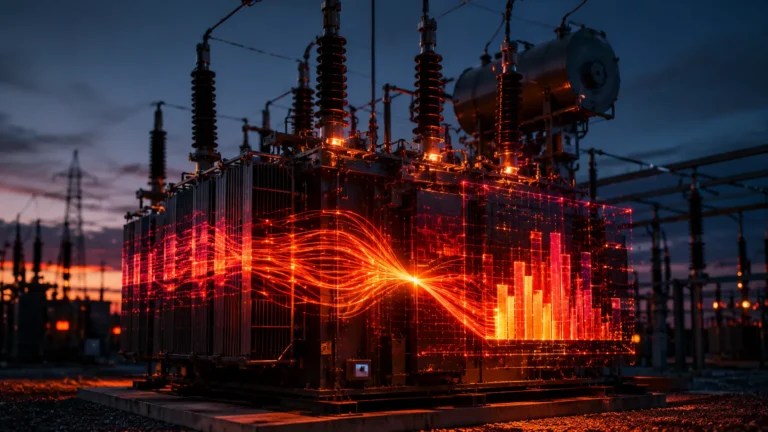
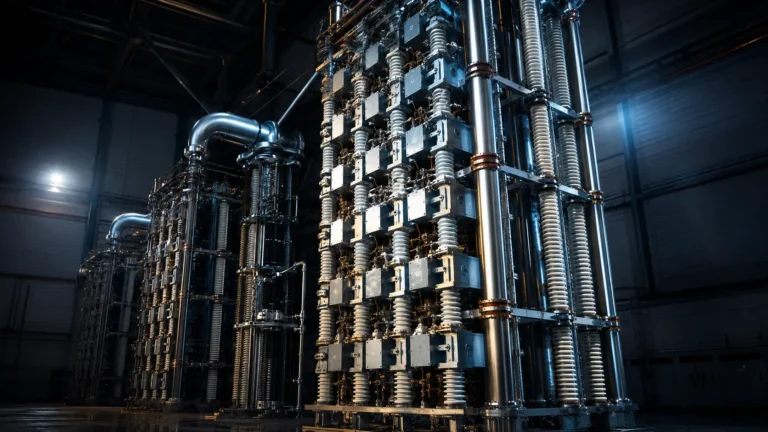
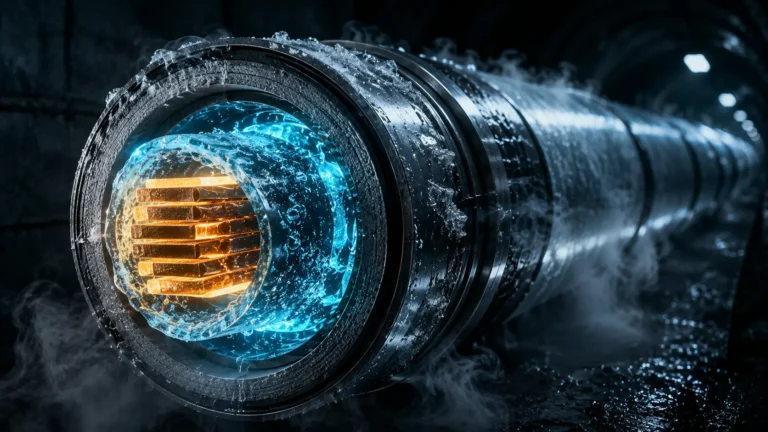
Solid-State Transformers (SSTs): The Silicon Carbide Revolution of the Power Grid

Solid-State Transformers (SSTs) replace traditional copper and iron power grid hardware with high-frequency Silicon Carbide microchips, converting high-voltage AC electricity directly into low-voltage DC power to digitally route grid electricity and power AI data centers and EV charging hubs.
Read MoreSolid-State Transformers (SSTs): The Silicon Carbide Revolution of the Power Grid
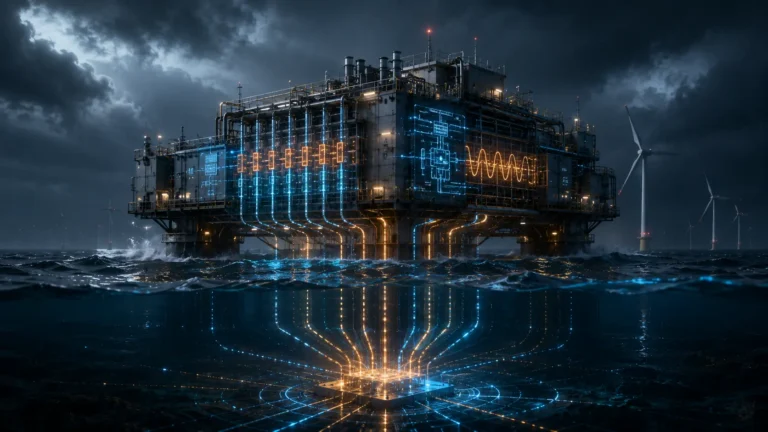
Voltage Source Converters A cinematic visualization of an offshore VSC-HVDC platform transmitting renewable energy through glowing subsea cables.

Voltage Source Converters: Why Offshore Wind Relies on VSC

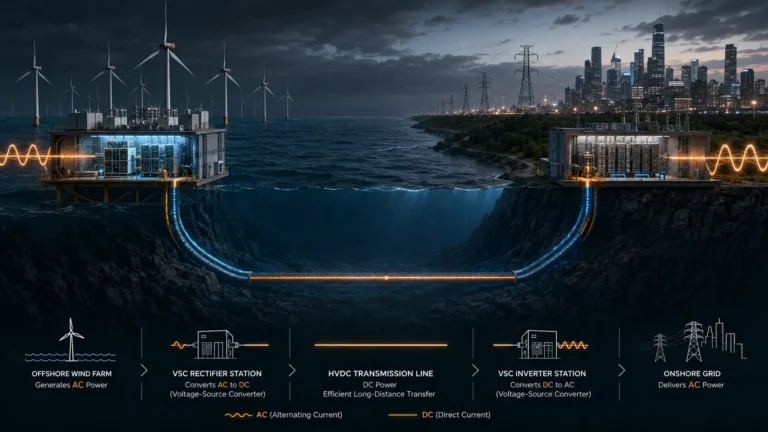
Voltage Source Converters (VSC) are advanced, digital power stations that use millions of microscopic semiconductor switches to transform volatile renewable energy into stable High Voltage Direct Current (HVDC) for long-distance transmission, acting as the intelligent shock absorbers of the modern electrical grid.

Read MoreVoltage Source Converters: Why Offshore Wind Relies on VSC
Interconnection Queue A cinematic visualization of clean energy grid congestion and high-voltage transmission bottlenecks.

Interconnection Queue: Why 2 Terawatts of Clean Energy Can’t Plug In

The interconnection queue is a massive, multi-year bureaucratic waiting list that energy developers must navigate to plug new power plants into the electrical grid, currently trapping over 2.2 Terawatts of clean energy and storage capacity due to archaic engineering studies and structural grid congestion.

Read MoreInterconnection Queue: Why 2 Terawatts of Clean Energy Can’t Plug In
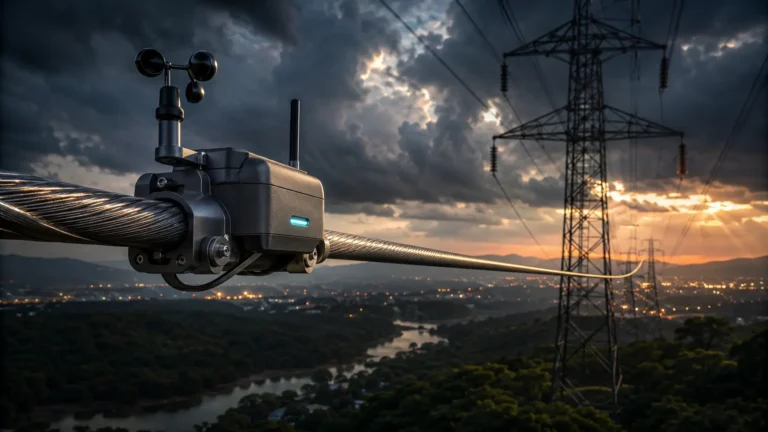
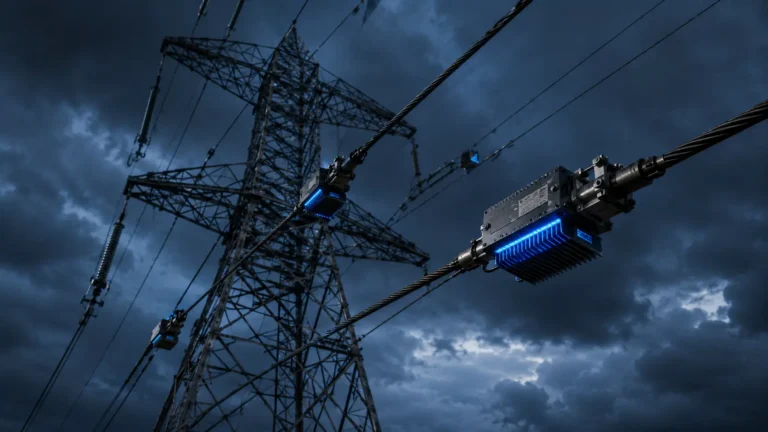
Dynamic Line Rating A cinematic macro visualization of an advanced IoT sensor clamped to a high-voltage transmission power line.

Dynamic Line Rating: How Sensors Unlock 40% More Grid Power

Dynamic Line Rating (DLR) is a grid-enhancing technology that uses real-time IoT sensors to monitor physical weather conditions and wire tension, allowing grid operators to safely push up to 40% more electricity through existing transmission lines by replacing outdated, worst-case capacity assumptions with live data.

Read MoreDynamic Line Rating: How Sensors Unlock 40% More Grid Power