Advertisement
)

AT A GLANCE
- Concept: The Hidden Foundation: Modern society relies entirely on silent, massive physical networks that only enter public consciousness when they catastrophically fail.
- Concept: Interlocking Dependencies: A blackout does not just stop electricity; it paralyzes water pumps, freezes financial clearinghouses, and halts global shipping logistics.
- Concept: The Thermodynamic Pipeline: Infrastructure exists primarily to convert raw planetary resources into controlled kinetic and electrical energy at the exact point of human demand.
- Concept: Capital Intensity: Maintaining and expanding the physical substrate of civilization requires extracting and deploying trillions of dollars in raw materials over multi-decade time horizons.
WHY THIS SYSTEM MATTERS
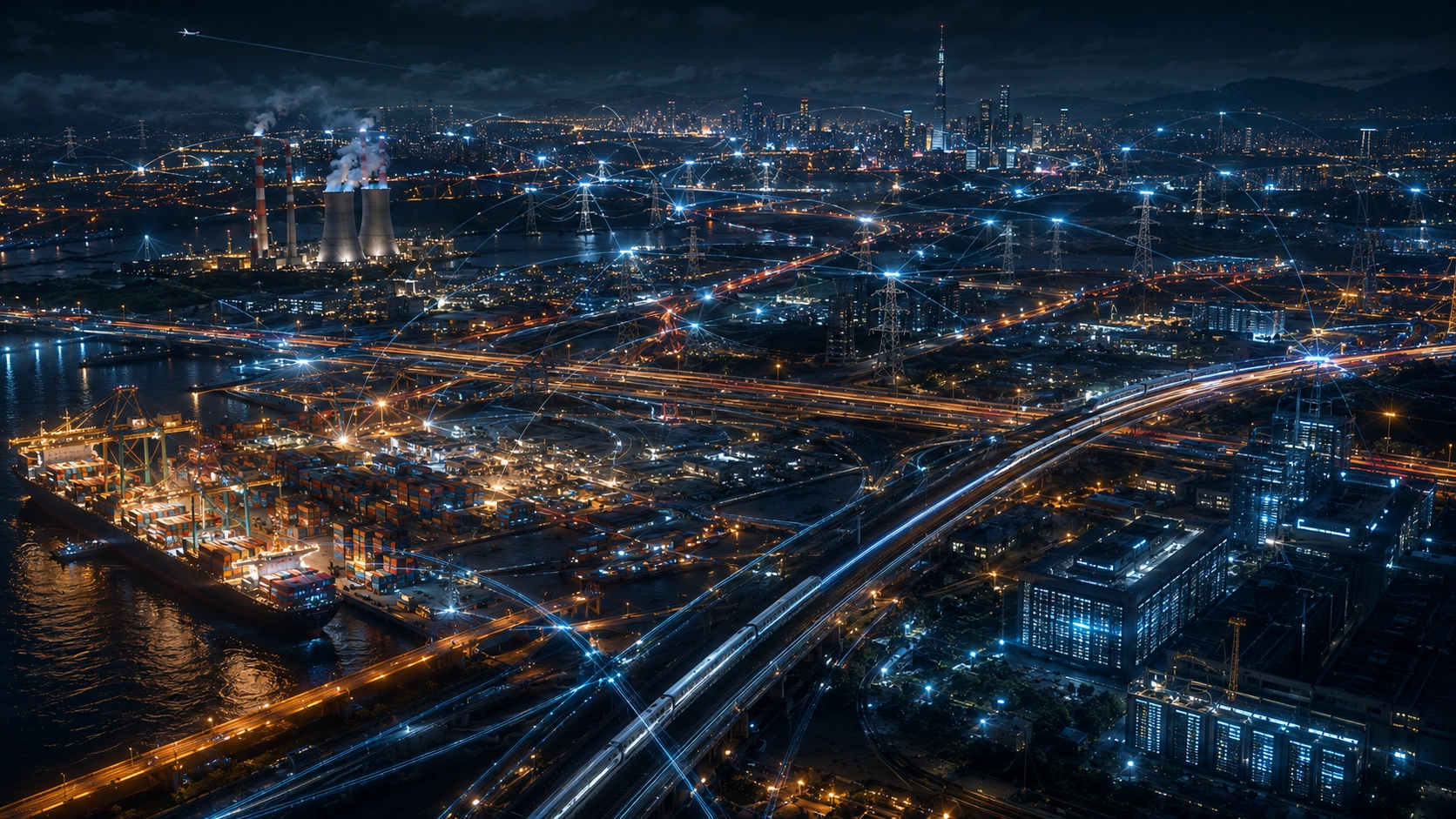
Society suffers from physical blindness. The average citizen views artificial intelligence, global finance, and e-commerce as ethereal, cloud-based phenomena. This is a fatal misconception. Every digital interaction, financial transaction, and biological necessity rests entirely on a heavy, fragile, and highly constrained physical substrate.
If the power grid in a major metropolitan area fails for 72 hours, the illusion of modern civilization shatters. Without electricity, municipal water pumps stop. Without water, human sanitation systems back up into the streets. Without power, cell towers die, severing emergency communications. Without communications, logistics networks freeze, leaving supermarket shelves empty within a day. Infrastructure is not a backdrop to the economy; it is the physical prerequisite for human survival at scale.
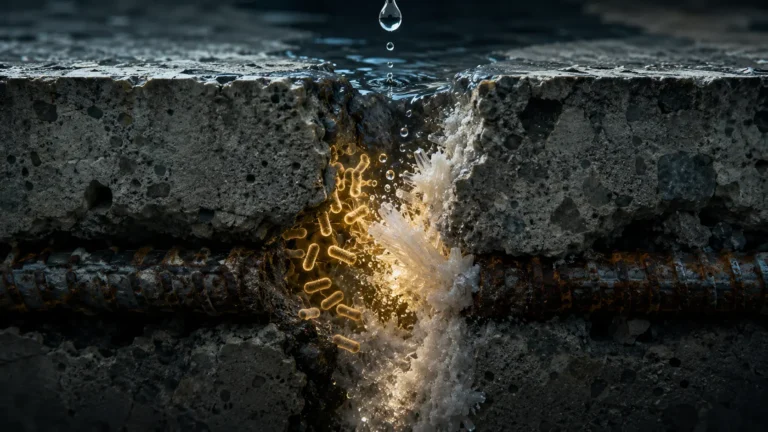
The global infrastructure stack currently faces a massive, synchronized crisis. Post-World War II concrete and steel networks are aging past their designed lifespans. Simultaneously, the energy transition demands a complete rewiring of the continental power grid, while the explosive growth of generative artificial intelligence requires doubling the footprint of hyperscale data centers.
We are forcing a twentieth-century mechanical system to support a twenty-first-century cognitive and thermodynamic load. The entities that finance, build, and secure this next generation of infrastructure will not just yield steady financial returns; they will dictate the physical constraints of the global economy. Control the ports, the subsea cables, and the high-voltage transmission lines, and you control the sovereign autonomy of the nations that rely on them.
HOW THE SYSTEM WORKS
Infrastructure is the science of moving physical and digital mass from areas of excess to areas of deficit. It operates through two fundamental architectures: nodes and edges.
Nodes are the processing and storage centers. A hyperscale data center, a liquefied natural gas (LNG) terminal, a deepwater shipping port, and a municipal water filtration plant are all nodes. They ingest raw inputs, process them, and prepare them for distribution.
Edges are the transmission corridors. High-voltage transmission lines, transoceanic fiber-optic cables, rail networks, and interstate highways are edges. They connect the nodes. The efficiency of a civilization is mathematically defined by the latency, capacity, and resilience of its edges.
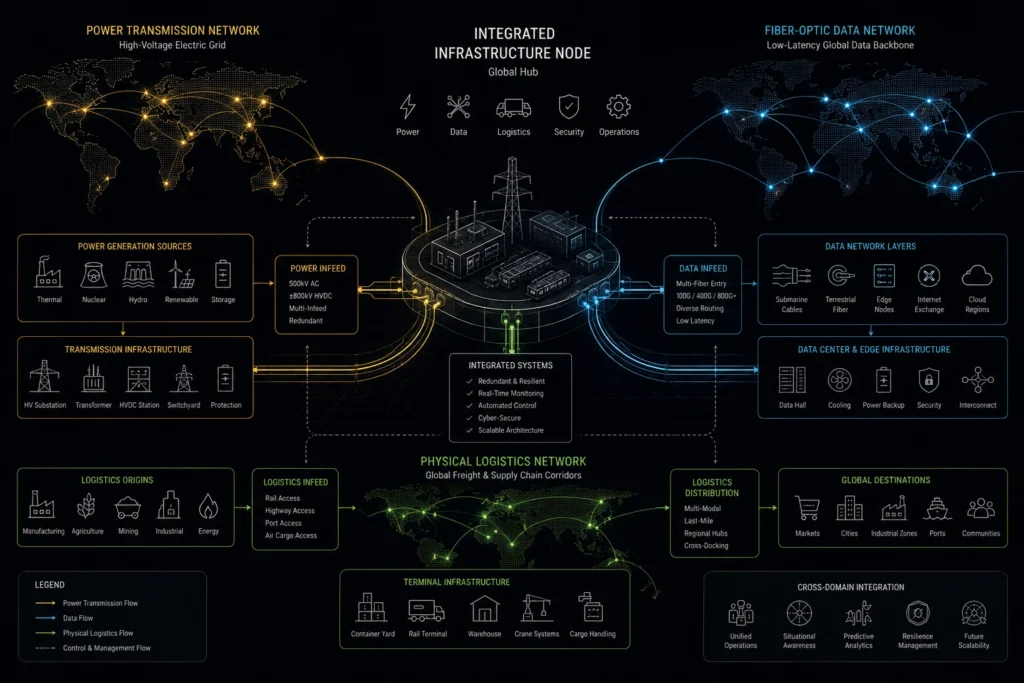
The entire stack is held together by an invisible digital nervous system known as Supervisory Control and Data Acquisition (SCADA). SCADA systems utilize remote telemetry to monitor millions of sensors across the physical networks. If a pipeline valve in Texas experiences a pressure drop, a SCADA sensor detects the anomaly and automatically signals a control center to isolate the flow.
This creates a terrifying loop of dependency. The physical infrastructure (pumps, turbines) requires the digital infrastructure (SCADA, fiber optics) to operate safely. But the digital infrastructure requires the physical infrastructure (power grids, cooling systems) to stay online. A failure in one layer immediately cascades into the other, turning isolated technical faults into systemic regional catastrophes.
MAJOR COMPONENTS
Digital Infrastructure: The Nervous System: Digital infrastructure is the physical footprint of the internet. It begins with the subsea cable network—hundreds of armored fiber-optic lines laid across the ocean floor, carrying 95 percent of all intercontinental data. These cables land at heavily fortified coastal stations and route into terrestrial fiber backbones. The data terminates in hyperscale data centers. These are massive concrete fortresses consuming hundreds of megawatts of electricity. They house the servers that process global financial clearing, train artificial intelligence models, and host cloud operating systems. To reduce latency for the end user, this network is supplemented by edge computing nodes and 5G telecommunications towers, pushing data caching physically closer to the populations that consume it.
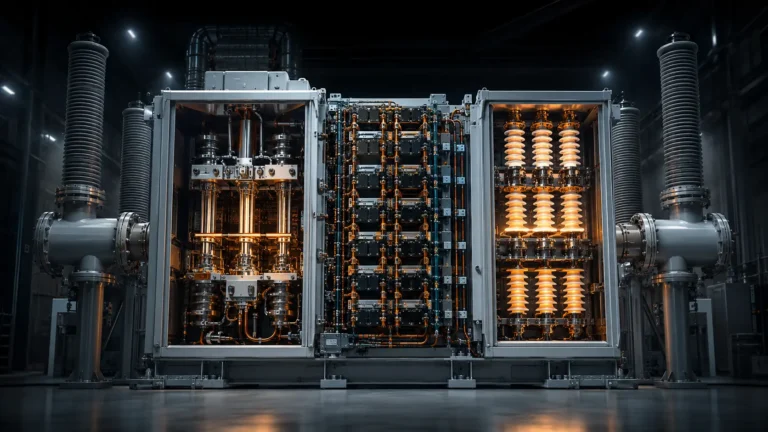
Power Networks: The Thermodynamic Engine: The power network is the largest, most complex machine ever built. It requires perfect, millisecond-by-millisecond balancing of generation and consumption. Centralized power plants (nuclear, natural gas, hydro) push electricity onto High-Voltage Alternating Current (HVAC) transmission lines. To move power across continents without extreme thermal loss, grid operators increasingly utilize High-Voltage Direct Current (HVDC) lines. At the destination, substations step the voltage down, feeding it into the localized distribution grid. As intermittent renewable energy (solar and wind) saturates the system, the grid now requires massive utility-scale battery storage to absorb excess midday generation and discharge it during evening peak demand, physically buffering the volatility of the weather.
Logistics: The Kinetic Supply Chain: Logistics infrastructure physically moves the atoms required to build and sustain civilization. This sector relies on intermodal standardization, specifically the twenty-foot equivalent unit (TEU) shipping container. Massive automated container terminals in ports like Shanghai and Rotterdam use algorithmic gantry cranes to move these boxes from ultra-large crude carriers onto heavy rail networks. The cold chain—a specialized subset of logistics utilizing active refrigeration and phase-change materials—ensures that highly sensitive biological freight, such as vaccines and agricultural products, survives transoceanic transit without thermal degradation.
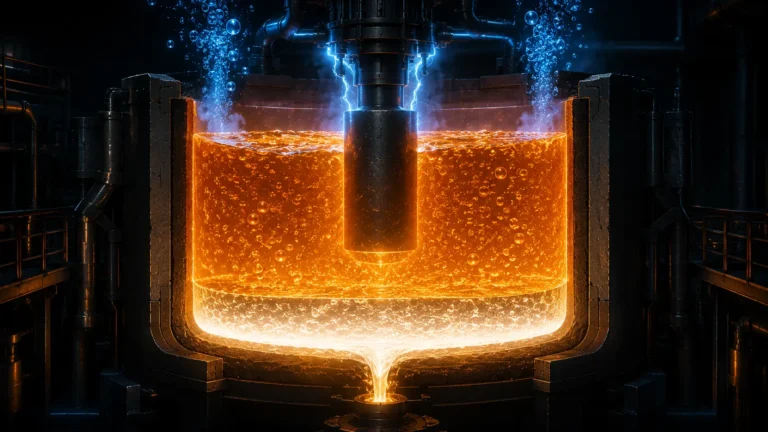
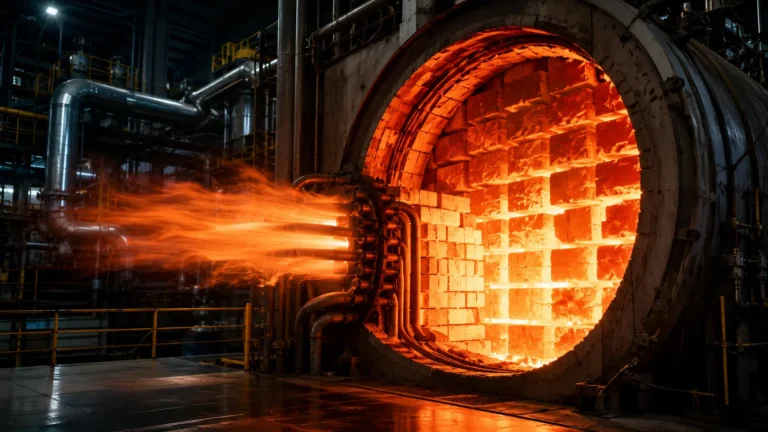
Industrial Systems: The Resource Processing Layer: Industrial infrastructure operates at the absolute base of the survival pyramid. This includes the heavy chemical processing plants that synthesize agricultural fertilizer, the smelting facilities that convert raw bauxite into aluminum, and the municipal water systems that purify and distribute drinking water. These systems are highly energy-intensive and geographically bound. They rely on vast networks of subterranean pipelines to move raw feedstocks (crude oil, natural gas, raw sewage). The industrial layer transforms raw planetary crust into the standardized materials required to build the other three infrastructure layers.
THE ECONOMICS
Infrastructure economics are defined by massive upfront capital expenditure (CapEx), high barriers to entry, and decades-long payback periods. Building a new nuclear power plant, a deepwater port, or a semiconductor foundry costs tens of billions of dollars before a single unit of revenue is generated.
Because a private company cannot easily build a competing highway next to an existing one, infrastructure tends toward natural monopolies. To prevent predatory pricing, governments heavily regulate these assets, typically guaranteeing the operator a fixed, predictable rate of return on their invested capital.
This predictability makes infrastructure the ultimate target for sovereign wealth funds, pension funds, and massive private equity firms like Blackstone and Macquarie. These institutions require highly stable, inflation-hedged yields to match their long-term liabilities. An operational toll road or a fully leased data center acts like a high-yield bond backed by concrete.
The current economic bottleneck is not a lack of capital, but a lack of physical components and permitting velocity. The global transition to renewable energy and artificial intelligence requires trillions of dollars. However, the lead time for a standard high-voltage step-up transformer now exceeds three years due to severe shortages in grain-oriented electrical steel. You can raise a billion dollars instantly on Wall Street, but you cannot bend the physical reality of the global supply chain.
GEOPOLITICAL IMPORTANCE
Infrastructure is the primary weapon of twenty-first-century statecraft. The nation that finances and builds the physical architecture of global trade dictates the rules of the global economy.
China explicitly understood this through its Belt and Road Initiative (BRI). By financing and constructing deepwater ports in Sri Lanka, rail networks in Kenya, and high-speed rail in Southeast Asia, Beijing physically routed global supply chains toward its own domestic factories. Furthermore, possessing physical equity in foreign infrastructure grants a nation extreme coercive leverage. If a developing nation defaults on its infrastructure debt, the creditor nation can seize the physical asset, effectively annexing a sovereign port or power grid.
The geopolitics of subsea cables is equally critical. The United States and China are engaged in a shadow war to physically route transoceanic data cables away from each other’s shores. If a nation controls the physical landing station of a fiber-optic cable, its intelligence agencies can physically tap the glass strands, intercepting the unencrypted raw data of adversarial governments and financial institutions before it enters the global internet.
CURRENT CHALLENGES
The entire global infrastructure stack is suffering from acute, synchronized stress.
First, the physical environment is turning hostile. Legacy infrastructure was engineered to withstand twentieth-century weather patterns. As global temperatures rise, the thermodynamic operating limits of these systems are constantly breached. Heatwaves melt the asphalt on airport runways, buckle steel rail lines, and force nuclear power plants to shut down because the river water used for cooling becomes too warm to safely absorb reactor heat.
Second, the cybersecurity threat is existential. Because legacy SCADA systems were designed for closed, physical networks, connecting them to the modern internet exposed massive vulnerabilities. State-sponsored hacking groups actively target the programmable logic controllers (PLCs) that manage water filtration chemicals and natural gas pipeline valves. An adversary no longer needs to bomb a power plant; they simply need to hack the turbine control software and instruct it to spin past its physical fail-safe limits until it destroys itself.
Finally, the permitting bureaucracy paralyzes expansion. In developed nations, it often takes longer to complete the environmental review and secure the legal right-of-way for a new transmission line than it does to physically build it. This regulatory friction strands hundreds of gigawatts of clean energy in the interconnection queue, freezing the energy transition.
WHAT MOST PEOPLE MISS
The public assumes that moving to a “digital economy” reduces our reliance on physical infrastructure. They completely miss the reality that digital economies are vastly more physically intensive than analog ones.
A paper ledger requires zero electricity to maintain its data. A blockchain ledger requires gigawatts of continuous power to verify its cryptographic hashes. A physical retail store relies on bulk truck deliveries once a week. An e-commerce economy requires a hyper-complex, massively energy-intensive “last-mile” delivery network utilizing millions of individual vans, automated sorting warehouses, and continuous aviation freight.
Dematerialization is a myth. Software is simply a mechanism for organizing physical resources more efficiently. As software becomes more complex, the underlying physical infrastructure required to power, cool, and connect that software grows exponentially heavier, hotter, and more resource-intensive.
THE FUTURE
- Next 12–36 Months: The Artificial Intelligence power crunch hits physical reality. Hyperscale cloud providers will exhaust the available power capacity of major grid interconnects in Virginia, Ireland, and Frankfurt. To bypass gridlock, tech monopolies will begin directly co-locating modular data centers at the physical sites of operational nuclear power plants, securing “behind-the-meter” gigawatt pipelines.
- Next Five Years: The integration of digital twins and predictive maintenance. Every major physical asset—from bridge pylons to pipeline valves—will possess an exact digital replica in the cloud. Machine learning models will process real-time vibration and thermal telemetry to predict catastrophic mechanical failures weeks before they occur, automatically dispatching repair drones without human intervention.
- Next Ten Years: The proliferation of autonomous, decentralized microgrids. As extreme weather makes the centralized macro-grid increasingly unreliable, major industrial centers, military bases, and affluent municipalities will physically island themselves. They will rely on massive localized battery storage, small modular nuclear reactors (SMRs), and solar arrays to ensure absolute operational continuity independent of the national grid.
- What Could Go Wrong: The Kessler Syndrome for subsea infrastructure. A coordinated, simultaneous sabotage of just three major subsea cable choke points (such as the Red Sea, the Luzon Strait, and the transatlantic corridor) by hostile state actors or non-state proxies. This physically severs the global internet, instantly halting trillions of dollars of high-frequency financial trading, collapsing global supply chain logistics, and fracturing the world into isolated digital continents.
- Most Likely Outcome: Infrastructure will bifurcate along geopolitical lines. Western nations and their allies will aggressively build highly secure, heavily subsidized, and expensive parallel supply chains and data networks. The era of optimizing infrastructure purely for maximum economic efficiency is over; the future of infrastructure is designed entirely for physical resilience and sovereign security.
FREQUENTLY ASKED QUESTIONS
- What is SCADA? Supervisory Control and Data Acquisition (SCADA) is the specialized industrial software and hardware architecture used to monitor, control, and automate physical infrastructure, from opening pipeline valves to regulating water pressure in municipal grids.
- What is a hyperscale data center? A hyperscale data center is a massive computing facility, typically owned by companies like Amazon, Google, or Microsoft, designed to house hundreds of thousands of servers. They require immense amounts of electricity and highly advanced liquid cooling systems to operate.
- Why is the power grid so difficult to upgrade? The power grid is a highly interconnected, live machine. Upgrading it requires navigating fragmented legal jurisdictions to secure land rights (right-of-way), procuring highly specialized components with years-long waitlists, and ensuring the grid remains perfectly balanced during the construction process.
- What is the cold chain? The cold chain is a specialized logistics network that uses continuous, uninterrupted active refrigeration and insulated packaging to transport highly temperature-sensitive goods, such as deep-freeze biopharmaceuticals, vaccines, and fresh agricultural produce.
- What is the difference between HVAC and HVDC transmission? High-Voltage Alternating Current (HVAC) is the standard method for moving power locally because it is easy to step voltages up and down using transformers. High-Voltage Direct Current (HVDC) is used for moving massive amounts of power across extreme continental or subsea distances because it suffers significantly less thermal energy loss over distance.
- What is the Belt and Road Initiative (BRI)? The BRI is a massive, global infrastructure development strategy adopted by the Chinese government to invest in deepwater ports, railways, and power grids across over 150 countries, heavily linking global supply chains directly to the Chinese economy.
- How do subsea cables work? Subsea cables are armored fiber-optic lines laid directly on the ocean floor. They transmit data using pulses of light generated by lasers. They carry nearly all international internet traffic, as they are vastly faster and handle massively more bandwidth than satellite links.
- What is a microgrid? A microgrid is a localized group of electricity sources (like solar panels and batteries) that normally operates connected to the traditional wide-area grid but can physically disconnect and function autonomously in “island mode” during a systemic blackout.
- What is intermodal freight transport? Intermodal transport is the movement of cargo using multiple modes of transportation (rail, ship, and truck) without any handling of the freight itself when changing modes. This is made possible by the standardization of the steel shipping container.
- What is a Peaker Plant? A peaker plant is a specialized power plant, usually running on natural gas, that only operates during times of peak electrical demand. They are highly expensive to run but can spin up from zero to full power in minutes to prevent grid collapse when renewable generation drops unexpectedly.
- Why do data centers use so much water? Data centers generate massive amounts of concentrated waste heat. To prevent the silicon processors from melting, facilities use cooling towers that evaporate millions of gallons of municipal water to dissipate the thermal energy into the atmosphere.
- What is rolling blackout? A rolling blackout is an intentionally engineered, temporary power outage initiated by a grid operator. When total power demand exceeds the physical generation capacity, operators purposefully turn off power to specific neighborhoods in a rotating sequence to prevent the entire regional grid from physically melting down.
- What is a digital twin? A digital twin is a highly complex, real-time virtual model of a physical asset, such as a bridge, a jet engine, or a power grid. It ingests live telemetry data to simulate stress, predict mechanical failures, and optimize operational efficiency.
- What are critical minerals? Critical minerals are specific raw materials such as lithium, cobalt, copper, and rare earth elements that are absolutely essential for manufacturing the physical infrastructure of the modern digital and renewable energy economy.
- What is a Programmable Logic Controller (PLC)? A PLC is a ruggedized industrial computer adapted for the control of manufacturing processes and infrastructure machinery. It is the physical hardware device that takes a digital command from a SCADA system and translates it into the kinetic action of moving a physical robotic arm or opening a water valve.
KEY TERMS
- Infrastructure Stack: The comprehensive, multi-layered system of physical and digital networks required to sustain modern civilization.
- SCADA (Supervisory Control and Data Acquisition): The overarching software and telemetry systems used to control industrial processes globally.
- Hyperscaler: A massive technology company operating global networks of data centers offering cloud computing and artificial intelligence services.
- Node: A central processing, storage, or aggregation point within an infrastructure network (e.g., a port or a substation).
- Edge: The physical transmission corridors connecting nodes within an infrastructure network (e.g., a pipeline or a fiber-optic cable).
- Base Load: The absolute minimum amount of electrical power required by a regional grid over a continuous 24-hour cycle.
- Telemetry: The automated, continuous collection and transmission of data from remote physical sensors back to a central control system.
- Cold Chain: A temperature-controlled supply chain utilizing active refrigeration to preserve biological and agricultural payloads.
- Microgrid: A localized, decentralized energy system capable of operating independently from the primary national power grid.
- HVDC (High-Voltage Direct Current): An advanced electrical transmission architecture used for moving massive volumes of power across extreme intercontinental distances with minimal loss.
- Peaker Plant: A rapid-response power generation facility activated strictly to balance the grid during periods of extreme peak demand.
- Last-Mile Logistics: The final, most complex, and expensive stage of the supply chain delivering goods from a local fulfillment center directly to the end consumer.
- Digital Twin: A real-time, highly precise virtual simulation of a physical infrastructure asset updated constantly via sensor telemetry.
- Right-of-Way: The legal right, established by usage or grant, to physically build and maintain infrastructure (like transmission lines or pipelines) across specific land.
- Interconnection Queue: The massive bureaucratic backlog of new power generation projects waiting for legal and physical approval to attach to the regional transmission grid.
SOURCES
- American Society of Civil Engineers (ASCE) — The Economic Benefits of Investing in Water, Transportation, and Energy Infrastructure
- International Energy Agency (IEA) — Electricity Grids and Secure Energy Transitions: The Global Infrastructure Bottleneck
- World Bank Group — Logistics Performance Index and the Digitalization of Global Supply Chains
- Federal Energy Regulatory Commission (FERC) — Transmission Planning and Cost Allocation by Transmission Owning and Operating Public Utilities
- TeleGeography — Submarine Cable Map and the Physical Topology of the Global Internet
- Cybersecurity and Infrastructure Security Agency (CISA) — Defending Industrial Control Systems and SCADA Architectures Against Advanced Persistent Threats