
AT A GLANCE
- Concept: Autogenous Smelting: The ore burns its own sulfur to generate the heat required for melting.
- Concept: Matte Grade: The specific percentage of pure copper extracted during the primary liquid phase.
- Concept: Sulfur Dioxide: Furnaces capture the toxic exhaust gas to synthesize industrial sulfuric acid.
- Concept: The Asian Monopoly: China controls the vast majority of global pyrometallurgical copper refining capacity.
HOW IT WORKS
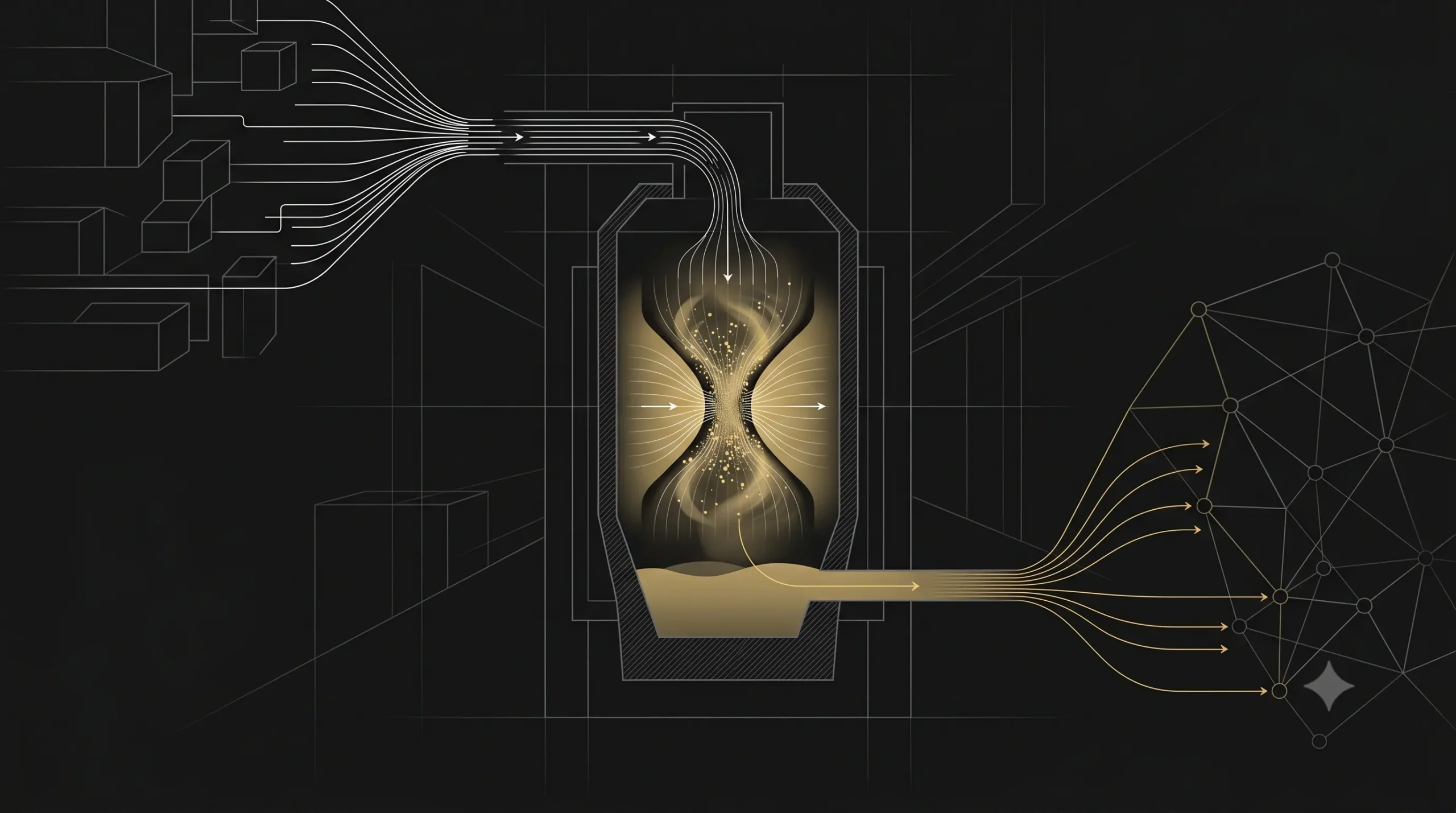
Raw copper ore leaving a mine is mostly useless rock containing less than thirty percent actual metal. To extract the copper, refineries must physically melt the concentrate inside an Outokumpu flash smelting furnace.
Engineers inject the dried, powdered ore into a reaction shaft alongside highly enriched oxygen. A violent chemical reaction occurs instantly in mid-air. The oxygen ignites the iron and sulfur contained naturally within the rock.
This makes the process autogenous. The ore acts as its own fuel. The exothermic reaction generates temperatures exceeding 1,200 degrees Celsius, instantly melting the concentrate before it even hits the bottom of the furnace.
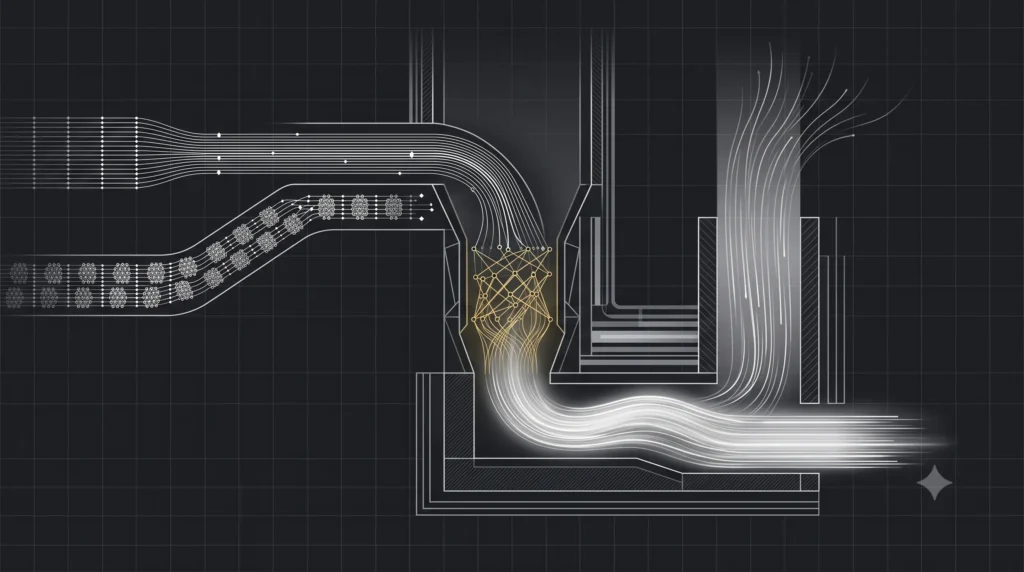
The molten liquid separates into two distinct layers. The heavier copper-iron sulfide, called matte, sinks to the bottom. The lighter silicate slag floats on top.
Simultaneously, the burning sulfur produces massive volumes of sulfur dioxide gas. Engineers must carefully optimize the matte grade. If they push the copper concentration too high during this initial phase, the chemical thermodynamics shift, causing the furnace to release sulfur dioxide at fluctuating rates that easily overwhelm the exhaust capture systems.
WHY IT MATTERS NOW
The global transition to electric vehicles and renewable energy requires thousands of miles of new copper wiring. Every solar panel, wind turbine, and data center relies entirely on this specific base metal to conduct electricity.
Media reports focus heavily on the discovery of new open-pit copper mines in South America and Africa. Digging rock out of the ground does not create usable metal. The true bottleneck lies within the capital-intensive smelting infrastructure.
Building a modern flash smelter costs billions of dollars and requires complex environmental permitting. Western nations largely stopped building them decades ago due to strict emissions regulations regarding sulfur dioxide and heavy metal dust.
Consequently, global miners ship their raw concentrate to East Asia. China systematically subsidized the construction of massive flash smelting complexes, effectively capturing the midstream supply chain. When an American automaker buys copper wire for an electric vehicle, the raw material almost certainly passed through a Chinese pyrometallurgical furnace.
WHAT MOST PEOPLE MISS
Environmental advocates demand a rapid transition to clean energy while simultaneously opposing the construction of new industrial smelters. They ignore the thermodynamic paradox of electrification.
You cannot build a zero-carbon power grid without emitting millions of tons of sulfur dioxide during the refinement of the required copper. Flash smelting captures up to ninety-nine percent of this gas to produce sulfuric acid, but optimizing this capture strictly limits the speed and yield of the copper extraction itself. The clean energy transition relies completely on highly toxic, heavy-industry chemical engineering.
THE TRAJECTORY
Next 12–36 Months: Western mining conglomerates will face severe margin compression as Chinese smelters aggressively lower their treatment and refining charges. This pricing pressure forces older, less efficient European and South American furnaces to operate at a loss or shut down entirely.
Next Five Years: Automakers will attempt to secure direct off-take agreements with the few remaining Western smelters to satisfy domestic sourcing requirements. Refineries will implement advanced optical sensors and artificial intelligence process controls to predict thermodynamic shifts inside the reaction shaft, marginally improving sulfur capture efficiency.
Next Ten Years: Hydrometallurgical extraction will begin to challenge traditional flash smelting. Engineers will use engineered bacteria and advanced chemical leaching to dissolve copper directly out of the ore at room temperature, slowly bypassing the need for massive high-heat furnaces.
What Could Go Wrong: Sulfuric acid is a highly corrosive, dangerous byproduct of flash smelting. If the global market for industrial sulfuric acid collapses, smelters will quickly run out of physical storage space for the toxic liquid, forcing them to halt copper production entirely.
Most Likely Outcome: China will maintain absolute dominance over the pyrometallurgical supply chain. Western nations will fail to build sufficient domestic smelting capacity due to environmental permitting delays, forcing them to accept extreme supply chain vulnerabilities to achieve their electrification targets.
KEY TERMS
- Autogenous Smelting: A pyrometallurgical process where the chemical oxidation of the raw ore provides all the heat necessary to melt the material.
- Matte: The heavy, molten mixture of copper and iron sulfides that sinks to the bottom of a smelting furnace.
- Flash Smelting: An industrial technique that injects dry ore and oxygen into a vertical shaft to instantly melt the concentrate in mid-air.
- Slag: The lighter, waste byproduct containing silica and iron oxides that floats on top of the molten matte.
- Treatment Charge: The specific processing fee that a mining company pays a refinery to convert raw ore concentrate into pure metal.
SOURCES
- The Minerals, Metals & Materials Society (TMS) — Flash Smelting: Analysis, Control and Optimization
- International Energy Agency (IEA) — The Role of Critical Minerals in Clean Energy Transitions
- Outotec (Metso) — Flash Smelting Technology and High Sulfur Capture Efficiency
- Journal of Sustainable Metallurgy — Pyrometallurgical Processing of Copper Concentrates