Advertisement
)
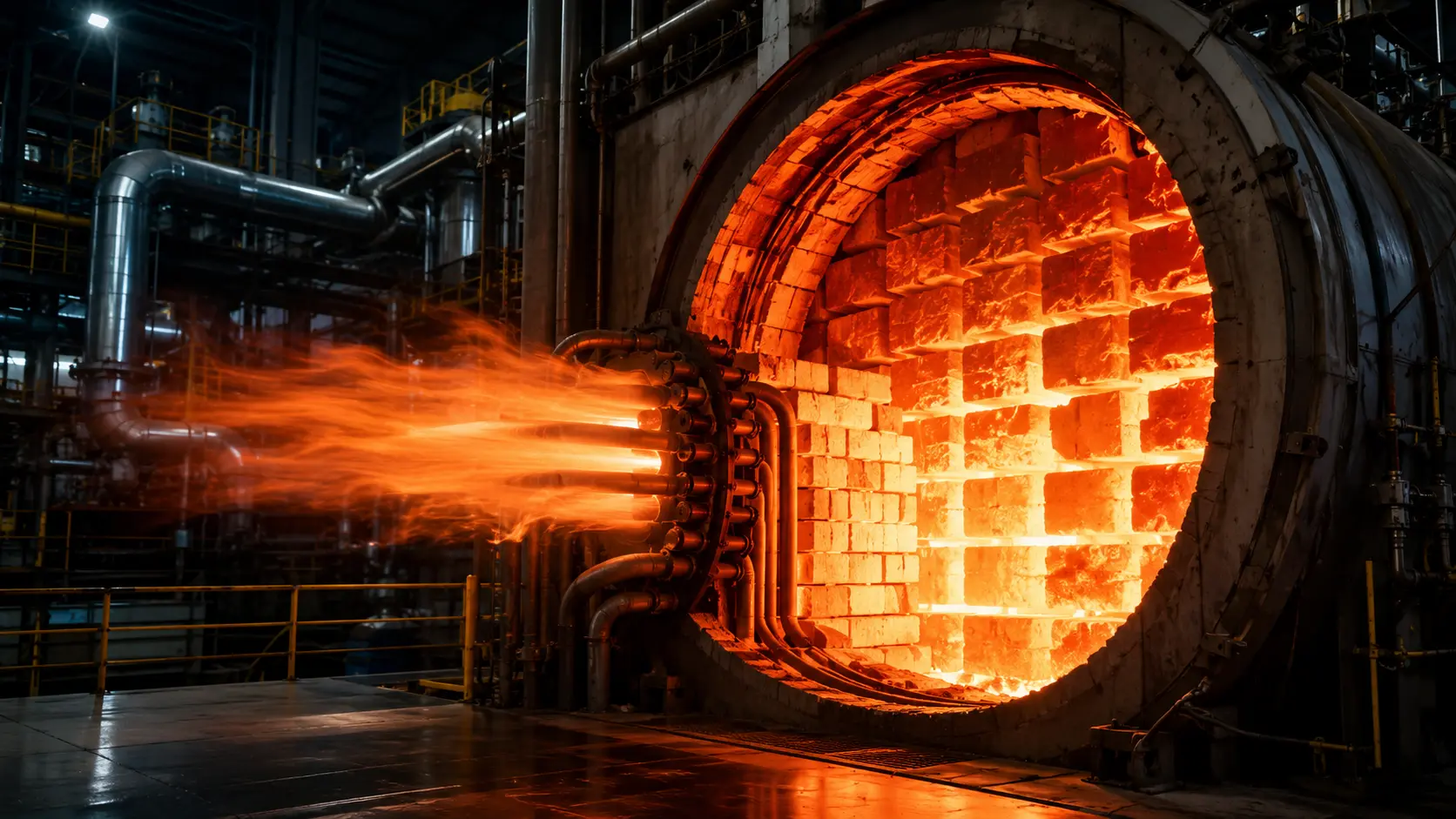

The global economy is obsessed with electrifying cars, but it is entirely ignoring the factories that build them. To manufacture a single glass bottle, a sheet of paper, a pound of steel, or a baby diaper, heavy industry requires a massive, continuous supply of 1,000°C heat. Currently, the only mathematically viable way to generate that kind of relentless, high-temperature steam is to burn millions of tons of natural gas and coal. Because solar panels and wind turbines produce electricity—not fire—the industrial manufacturing sector has been considered the ultimate “hard-to-abate” bottleneck, structurally immune to the renewable energy transition.
Why should you care right now? Because materials scientists have figured out a way to turn electricity into fire. By abandoning complex chemical batteries and returning to the brutal simplicity of heating up rocks, engineers are deploying “Industrial Thermal Batteries.” These massive systems use practically free, midday solar power to superheat giant blocks of carbon or refractory brick to over 1,500°C. They store the heat inside heavily insulated steel boxes, releasing zero-carbon steam on demand to run the factory long after the sun goes down. This single, shockingly simple technology is poised to eliminate the largest source of industrial carbon emissions on Earth, permanently unlinking global manufacturing from fossil fuels.
What are Industrial Thermal Batteries?
Industrial Thermal Batteries are energy storage systems that use electricity to heat solid materials—like carbon blocks or refractory bricks—to extreme temperatures exceeding 1,000°C. They store this thermal energy for hours or days, releasing it on demand as high-pressure steam or hot air to power heavy industrial manufacturing processes without burning fossil fuels.
At a Glance
- Concept: Using giant electrical “toaster coils” to heat up a massive pile of bricks inside an insulated box, storing the heat for later use.
- Why it matters: Factories run 24/7 and need continuous steam. Solar power is intermittent. Thermal batteries capture the solar power when it’s sunny and deliver the required steam at night, killing the need for natural gas boilers.
- Who uses it: Heavy industries (cement, steel, chemical refining, food and beverage processing) partnering with thermal tech startups like Rondo Energy and Antora Energy.
- Biggest takeaway: A lithium-ion battery costs roughly $150 per kilowatt-hour of storage and degrades over a decade. A thermal battery made of dirt and carbon costs roughly $20 per kilowatt-hour, has zero fire risk, and effectively lasts forever.
In Simple Words
Imagine your house has solar panels, but you want to bake a pizza at midnight.
Using Lithium-Ion Batteries is like storing the solar power in a giant, expensive smartphone battery during the day, and then using that stored electricity to run your electric oven at night. It works, but the chemical battery is wildly expensive, it could catch fire, and it degrades over time.
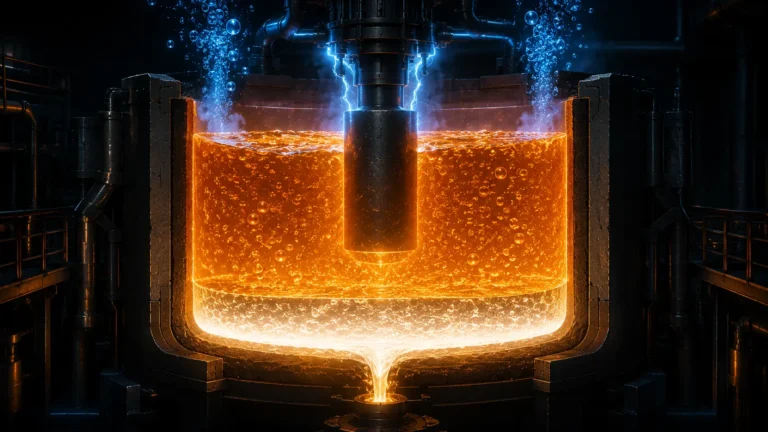
Using a Thermal Battery is like putting a massive pile of dense bricks inside a perfectly insulated metal box. During the day, you use the solar power to run a giant toaster coil inside the box, heating the bricks until they glow white-hot. At midnight, you simply open a vent, blow air over the hot bricks, and pipe that scorching hot air directly into your pizza oven. You skip the expensive chemical battery entirely and just store the raw heat.
Why This Matters
For Industrial Engineers, ESG Investors, and Energy Planners, Thermal Batteries solve the Scope 1 Process Heat Paradox.
For the past decade, ESG mandates have forced Fortune 500 manufacturers to pledge “Net-Zero by 2050.” However, engineers inside chemical plants and paper mills knew these pledges were mathematically impossible. You cannot run a continuous-flow chemical reactor using intermittent solar power, and using green hydrogen simply to boil water is violently expensive.
Thermal batteries provide the missing link. They allow a factory to legally claim 100% decarbonization of its Scope 1 emissions (direct emissions from owned natural gas boilers) by retrofitting a “drop-in” thermal battery directly into the existing steam pipes of the 50-year-old factory. This protects the multi-billion-dollar legacy capital expenditure (CapEx) of the factory while instantly satisfying Wall Street ESG compliance metrics.
The Economics of Solar Curtailment and Process Heat
We currently waste staggering amounts of clean energy. On a sunny day in California or Texas, solar farms generate so much electricity that the grid cannot handle it. Grid operators are forced to “curtail” (turn off) the solar panels, literally throwing away gigawatts of free energy because there is nowhere to put it.
Thermal batteries are the ultimate sponge for curtailed energy. Because it is incredibly cheap to build a giant box of bricks, industrial factories can build massive thermal batteries and charge them exclusively when electricity prices drop to zero (or go negative) during midday solar gluts. By transforming worthless, curtailed electricity into highly valuable industrial steam, thermal batteries act as the great arbitrage engine of the 21st-century power grid.
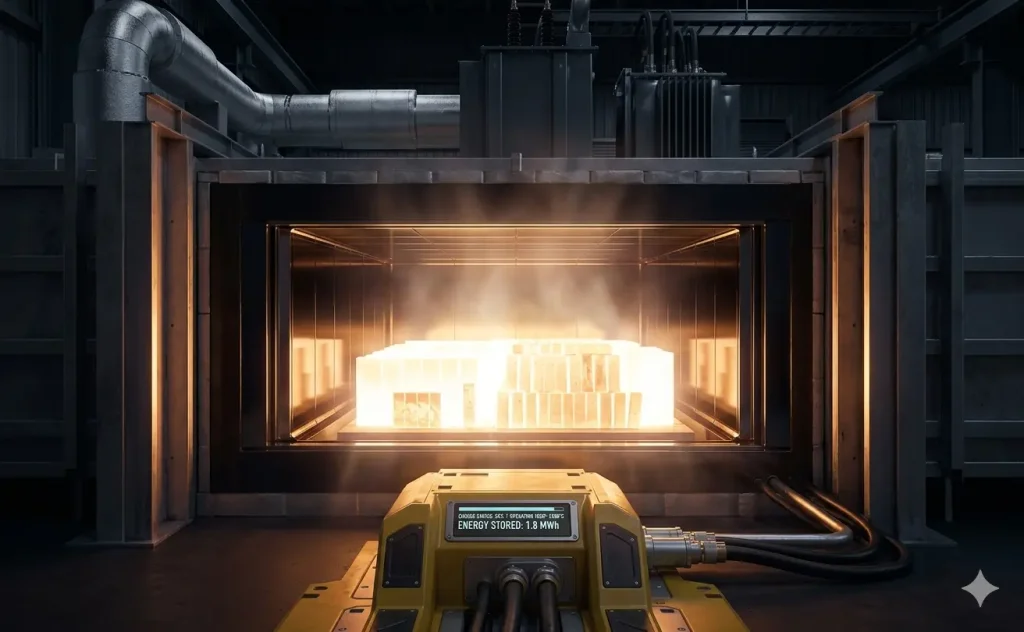
How Industrial Thermal Batteries Store Sensible Heat
Storing gigawatt-hours of heat at temperatures that melt standard steel requires mastering the thermodynamics of high-temperature solid-state materials. Here is the first-principles breakdown of the architecture.
1. The Fundamental Problem: Chemical Storage Limits
Chemical batteries (like Lithium-ion) store energy by moving ions between an anode and a cathode. They are highly efficient at releasing electricity, but if you want heat, you have to use that electricity to run a boiler. Furthermore, lithium batteries pose severe fire risks and degrade rapidly if deeply cycled every single day. They are mathematically too expensive to scale for the massive gigawatt-hour demands of a paper mill.
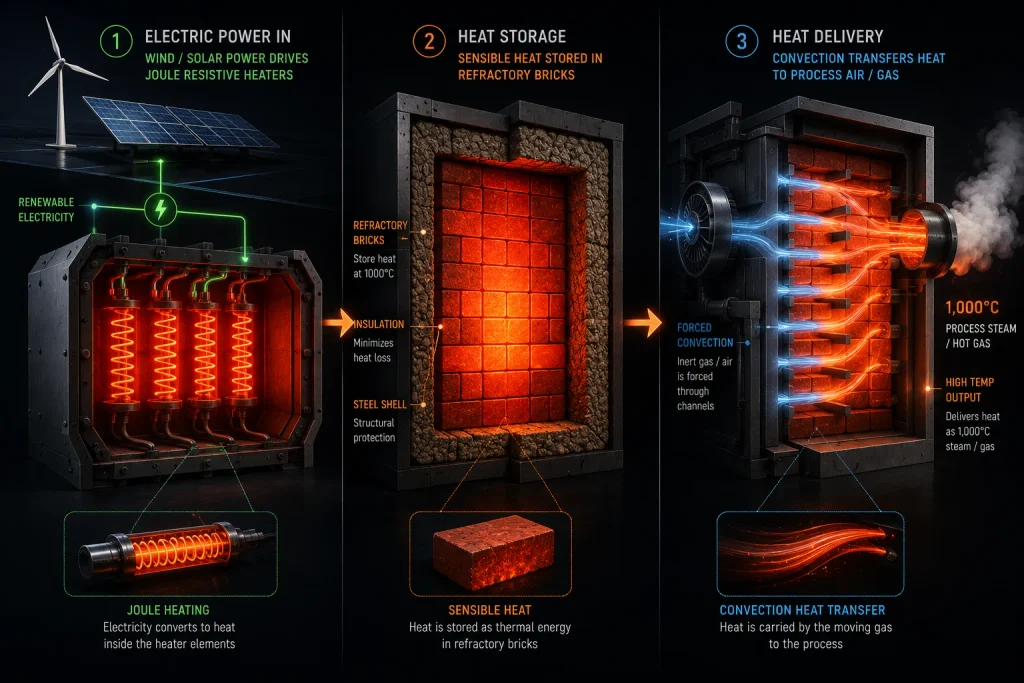
2. The Core Mechanism: Sensible Heat Storage and Joule Heating
Thermal batteries abandon chemistry and rely on “Sensible Heat”—the simple physics of raising the temperature of a solid object.
The system connects directly to a high-voltage power line. The electricity runs through heavy metallic or carbon resistive heating elements (Joule heating). As the electricity fights the resistance of the elements, it converts 100% of the electrical energy into pure thermal energy.
3. Technical Depth: Refractory Brick and Solid Carbon
The heat is absorbed by thousands of tons of storage media packed tightly together.
- Refractory Brick: Companies like Rondo Energy use alumina-silica bricks. These are the same materials used to line the inside of steel blast furnaces for the last century. They can easily withstand 1,500°C without melting, are made from literal dirt, and cost pennies per pound.
- Solid Carbon: Companies like Antora Energy use massive blocks of solid carbon. Carbon has a uniquely high specific heat capacity and can be heated beyond 2,000°C without degrading, allowing for even denser energy storage.
4. Technical Depth: Discharging via Forced Convection
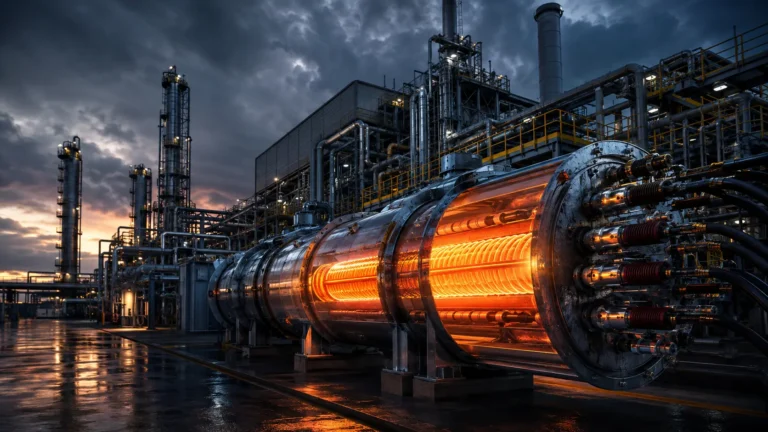
The bricks or carbon blocks are engineered with specific geometric gaps or channels running through them. When the factory needs steam, powerful fans blow inert gas or standard air through these channels. The air absorbs the intense heat from the bricks via forced convection. The scorching hot air exits the battery and is piped directly into the factory’s existing steam generators, boiling water exactly as a natural gas flame would.
5. Real-World Consequences: Thermophotovoltaics (TPV)
What if the factory needs electricity instead of steam? Antora Energy uses a secondary breakthrough: Thermophotovoltaics. When solid carbon is heated to 2,000°C, it glows with blindingly bright infrared light. Antora places specialized solar panels (TPVs) inside the dark box, facing the glowing carbon. The panels absorb the light from the glowing rock and convert it back into electricity. This creates a thermal battery that can output both high-pressure steam and continuous electricity simultaneously.
Commercializing Thermal Batteries: Rondo and Antora Energy
The transition from pilot prototypes to heavy industrial deployment is actively reshaping the capital expenditure roadmaps of global manufacturing.
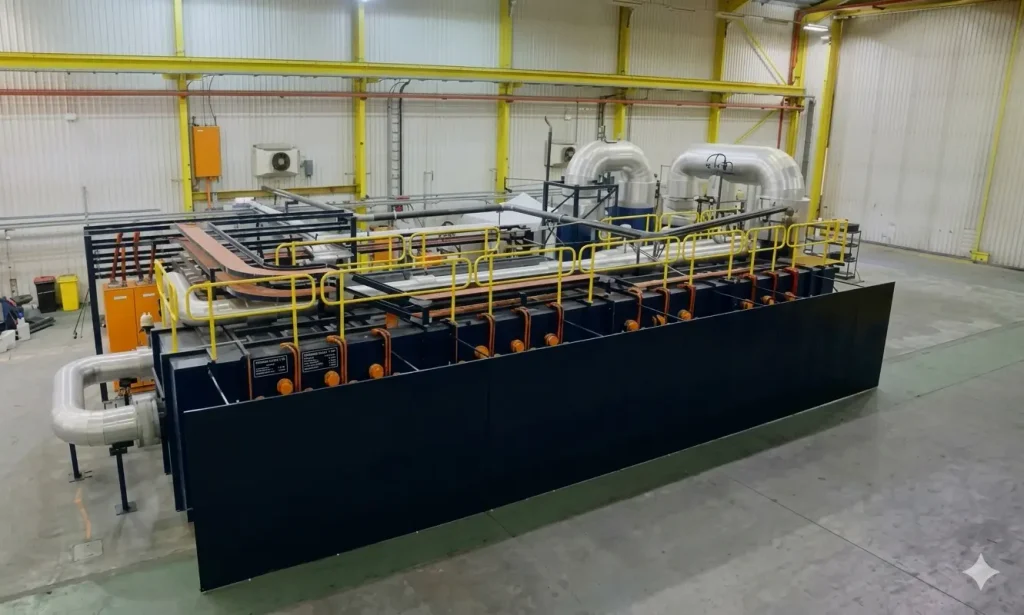
Calgren Renewable Fuels & Rondo Energy: In 2023, Rondo Energy deployed a commercial-scale thermal battery at the Calgren Renewable Fuels facility in California. Calgren produces ethanol, a process that requires massive amounts of continuous steam. The Rondo “Heat Battery” was physically dropped into the facility and connected to the existing steam pipes. It takes intermittent renewable energy from the California grid, stores it in refractory bricks at over 1,000°C, and delivers zero-carbon steam directly into the commercial ethanol production line, validating the “drop-in” retrofit capability of the technology.
Covestro and Chemical Refining: Multinational chemical giant Covestro, which manufactures the precursor chemicals for polyurethanes and polycarbonates, requires massive, unbroken streams of process heat. Any interruption in steam ruins the chemical batches. Covestro has partnered with thermal battery developers to integrate these systems into their European production lines. By storing heat in thermal batteries, they buffer their factories against the extreme volatility of European natural gas prices (exacerbated by geopolitical supply shocks), ensuring price stability for their core chemical products.
Food and Beverage Sterilization (Nestlé / Mars): Pasteurizing milk, drying pet food, and brewing beer require immense amounts of low-to-medium grade heat (150°C to 400°C). Consumer goods conglomerates are deploying smaller, modular thermal batteries to replace localized gas boilers. Because thermal batteries have zero emissions and zero exhaust risk, they can be placed safely indoors, directly next to the food processing lines, drastically simplifying the architectural layout and regulatory permitting of food-grade factories.
Economic & Strategic Impact
The core strategic disruption is the Decoupling of Manufacturing from Pipeline Geography.
For the last century, if you wanted to build a massive paper mill or a chemical plant, you had to build it near a high-pressure natural gas pipeline or a coal railway. The logistics of fossil fuel delivery dictated the geography of global industrialization.
Thermal batteries destroy this dependency. Because they rely exclusively on electricity to generate high-temperature heat, a corporation can now build a heavy manufacturing facility in the middle of a remote desert, powered entirely by a localized, off-grid solar farm and a thermal battery. This radically expands the usable geography for global manufacturing, allowing companies to build factories wherever land and solar resources are cheapest, rather than where natural gas pipelines are permitted.
Advantages
- Near-Infinite Lifespan: Unlike chemical batteries that degrade after 3,000 cycles, refractory bricks and carbon blocks undergo zero chemical degradation. They can be heated and cooled tens of thousands of times over a 40-year lifespan with zero capacity fade.
- Zero Fire Risk: The storage media is literal rock or carbon isolated in an anoxic (oxygen-free) environment. There are no volatile liquid electrolytes, meaning “thermal runaway” or explosive chemical fires are physically impossible.
- Drop-In Compatibility: They do not require the factory to replace its internal piping. The battery simply acts as a new heat source for the existing steam boiler, preserving billions of dollars in legacy infrastructure.
- Extreme Arbitrage: Allows factories to buy electricity only when it is cheapest (or negatively priced) and ignore the grid entirely when prices peak, drastically lowering the blended cost of energy.
Limitations
- Massive Physical Footprint: Storing gigawatt-hours of heat in solid brick requires immense physical mass. These batteries take up massive amounts of warehouse or outdoor real estate, making them difficult to retrofit into tightly packed, urban industrial zones.
- Thermal Leakage (Standby Loss): No insulation is perfect. Even wrapped in feet of advanced ceramics, a thermal battery slowly leaks heat into the surrounding environment (roughly 1% to 2% loss per day). They are brilliant for daily cycling, but terrible for seasonal (multi-month) storage.
- Inability to Transport Heat: You can easily load natural gas onto a ship or put a lithium battery in a car. A thermal battery is an unmovable building. The heat must be generated and consumed in the exact same physical location.
Common Misconceptions
Misconception: They are just giant lithium-ion batteries.
Reality: They contain zero lithium, cobalt, or chemical electrolytes. They are essentially giant, heavily insulated brick pizza ovens that store energy as physical heat, not chemical potential.
Misconception: The bricks will eventually melt.
Reality: The specific refractory materials used (like alumina-silica) have melting points far above 1,500°C. The computer systems controlling the resistive heating elements mathematically cap the temperature to ensure the structural integrity of the rock is never compromised.
Misconception: This replaces the need for the electrical grid.
Reality: Thermal batteries rely on the grid (or massive dedicated solar farms). They are parasitic load devices—they must pull massive mega-currents of electricity from the grid to charge up the bricks. They fix the natural gas problem, but they drastically increase the electrical load requirements of the factory.
What Most People Miss
The disruptive intelligence value of Synthetic Inertia and Grid Stabilization.
When analysts look at thermal batteries, they see a clean way to make steam. What they miss is how grid operators view them: as the ultimate grid stabilizers.
Because thermal batteries use resistive heating elements, they can adjust their electrical draw instantly. If a cloud covers the sun and the power grid suddenly experiences a dangerous frequency drop, a massive industrial thermal battery can instantly shut off its heating elements in less than a second, shedding megawatts of load to save the grid. Conversely, it can instantly absorb a massive spike in power. By acting as massive, infinitely adjustable “shock absorbers” for the grid, factories with thermal batteries can earn millions of dollars a year in ancillary service payments from the utility companies just for plugging in.
Comparison Table
| Feature | Natural Gas Boiler | Lithium-Ion Battery (Megapack) | Industrial Thermal Battery |
| Primary Output | High-Temp Steam (1,000°C) | Electricity | High-Temp Steam / Hot Air |
| Energy Storage Medium | Fossil Fuel (Chemical Pipeline) | Lithium / Electrolyte | Refractory Brick / Carbon Blocks |
| Scope 1 Emissions | Massive (Continuous CO₂) | Zero | Zero |
| Degradation / Lifespan | Mechanical wear (~20 years) | Severe capacity fade (7-10 yrs) | Zero capacity fade (40+ years) |
| Capital Cost per kWh | Low (Fuel is the main cost) | Very High (~$150-$200/kWh) | Very Low (<$30/kWh) |
Case Study
Situation: Calgren Renewable Fuels operates a massive facility in California processing dairy digester gas and producing ethanol. The chemical processes required continuous, massive volumes of industrial steam. The facility relied entirely on burning natural gas to generate this heat, exposing them to highly volatile natural gas pricing and generating substantial Scope 1 carbon emissions that threatened their regulatory compliance under California’s Low Carbon Fuel Standard (LCFS).
Challenge: Decarbonize the continuous steam supply without ripping out the facility’s complex, multi-million-dollar internal piping, and do so without relying on lithium-ion batteries, which were prohibitively expensive for generating raw heat.
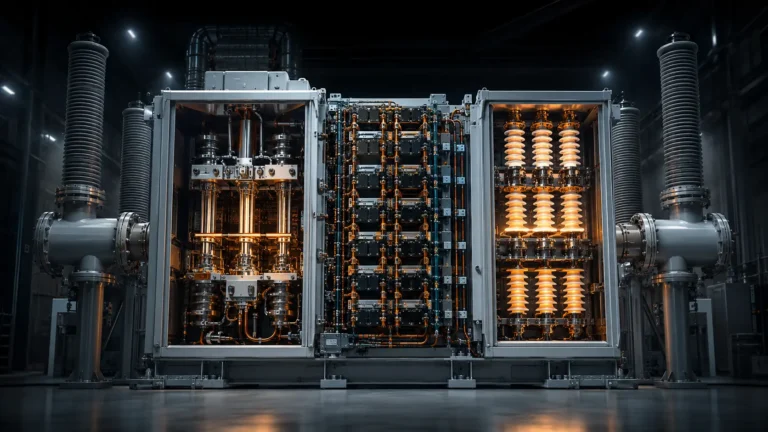
Solution (The Rondo Heat Battery): Calgren partnered with Rondo Energy to install a commercial-scale thermal battery. The Rondo unit, built using standard, mass-manufactured refractory bricks housed inside an insulated steel structure, was delivered to the site. It was connected to the local electrical grid to absorb renewable power during the day, converting it into heat via internal resistive elements.
Outcome: The Rondo unit successfully captured cheap, intermittent solar power and stored it at temperatures exceeding 1,000°C. By blowing air through the superheated bricks, the system delivered a continuous, zero-carbon stream of high-pressure steam directly into Calgren’s existing processing line. The project validated the “drop-in” nature of the technology, proving that a factory could deeply decarbonize its thermal load without altering its core chemical manufacturing processes or compromising 24/7 reliability.
Lessons Learned: The deployment definitively proved that heavy industry does not need to wait for green hydrogen pipelines to decarbonize. By leveraging the immense thermal mass of earth-abundant materials, industrial heat can be electrified today using commercially available components, fundamentally altering the emission trajectory of the global manufacturing sector.
Future Outlook
Next 12–24 Months
The era of Modular Food and Beverage Integration. The immediate wave of commercialization will occur in the lower-temperature tiers (150°C to 400°C). Multinational food conglomerates (Nestlé, PepsiCo, Unilever) will rapidly deploy modular, shipping-container-sized thermal batteries to replace the local gas boilers used for pasteurization, drying, and brewing. Because these modular units require minimal custom engineering and instantly satisfy corporate ESG targets, they will scale exponentially as “plug-and-play” appliance retrofits.
Next 3–5 Years
The scaling of Thermophotovoltaic (TPV) Co-Generation. Currently, most thermal batteries only output steam. Over the next five years, companies like Antora Energy will commercialize the “Co-Gen” thermal battery. By successfully mass-manufacturing highly efficient TPV panels that can survive inside a 2,000°C glowing carbon box, these thermal batteries will be able to output both continuous steam and continuous electricity. This will allow a single thermal battery to act as an off-grid micro-reactor, powering both the factory’s boilers and its assembly line robots simultaneously.
Next 10 Years
The Heavy Metallurgy and Cement Retrofits. By the mid-2030s, the technology will push into the absolute extreme temperature ranges required to melt steel and calcine limestone for cement (approaching 1,500°C – 1,800°C). The cement industry currently accounts for 8% of all global carbon emissions. By replacing fossil-fueled rotary kilns with ultra-high-temperature thermal battery architectures powered by dedicated gigawatt solar arrays, the global construction supply chain will achieve its first truly zero-carbon foundation, neutralizing the most stubborn pillar of the global carbon footprint.
Most Likely Scenario
Industrial Thermal Batteries are the silent, unglamorous heroes of the energy transition. They lack the sleek aesthetics of an electric sports car, but they solve a vastly larger mathematical problem. By proving that heating up cheap rocks with cheap solar power is economically superior to burning natural gas, thermal batteries will trigger a massive, rapid phase-out of industrial combustion, securing the future of heavy manufacturing in a post-carbon world.
Key Takeaways
- Heavy industry (like making paper, chemicals, or food) requires massive amounts of continuous steam. Currently, the only way to get this steam is by burning natural gas.
- Standard lithium batteries are useless for this because they provide electricity, not raw fire or heat, and are incredibly expensive.
- Industrial Thermal Batteries solve this by using excess, cheap solar electricity to run giant toaster coils, superheating a massive pile of insulated bricks or carbon blocks to 1,500°C.
- The bricks hold the heat like a thermos. When the factory needs steam at night, fans blow air over the glowing bricks, instantly boiling water without burning any fuel.
- Unlike chemical batteries, bricks do not degrade. They can be heated and cooled tens of thousands of times over a 40-year lifespan with zero loss in performance.
- This technology allows factories to “drop-in” a zero-carbon heat source without ripping out their existing 50-year-old steam pipes, making industrial decarbonization financially viable today.
Glossary
Drop-in Retrofit: A piece of new technology (like a thermal battery) that can be plugged directly into an old factory’s existing pipes and systems without requiring the factory to be rebuilt.
Joule Heating (Resistive Heating): The process of generating heat by forcing an electrical current through a material that resists the flow of electricity (exactly how a toaster works).
Refractory Brick: Specialized bricks made from dirt and minerals (like alumina and silica) designed specifically to withstand extreme temperatures (over 1,500°C) without melting or cracking.
Scope 1 Emissions: The direct greenhouse gases emitted by a factory (e.g., the CO₂ smoke coming out of the factory’s own natural gas boiler chimney).
Sensible Heat Storage: Storing energy simply by changing the temperature of a solid or liquid material (heating up a rock), as opposed to storing energy chemically (like a lithium-ion battery).
Thermophotovoltaic (TPV) Cells: Highly specialized, advanced solar panels that are designed to absorb intense infrared light radiating from glowing-hot materials (like 2,000°C carbon) and convert it into electricity.
Sources
Rondo Energy: The Rondo Heat Battery: Decarbonizing Industrial Heat
Antora Energy: Thermal Energy Storage and Thermophotovoltaics for Heavy Industry
International Energy Agency (IEA): The Role of Process Heat in Industrial Decarbonization
MIT Technology Review: How storing heat in rocks could help the grid transition to clean energy
Joule (Journal): Thermal energy storage for industrial heat decarbonization